Hong Kong wants to attract 10,000 BTC into a regulated fund. That shifts how Asia invests in bitcoin. The move is not just big in size; it's strategic: it aims to create a local vehicle that competes with US ETFs and offers Asian institutional investors regulated bitcoin exposure without relying on Wall Street or offshore exchanges.
The Signal
Bitfire Group, a Hong Kong-listed company, plans to launch Alpha BTC, a regulated bitcoin-denominated strategy targeting over 10,000 BTC — roughly $760 million at current prices. Behind it is Li Lin, founder of HTX (formerly Huobi), who will move the investment team from his family office, Avenir Group, into Bitfire. CEO Livio Weng confirmed the fund will use derivatives tied to bitcoin or BlackRock's IBIT.

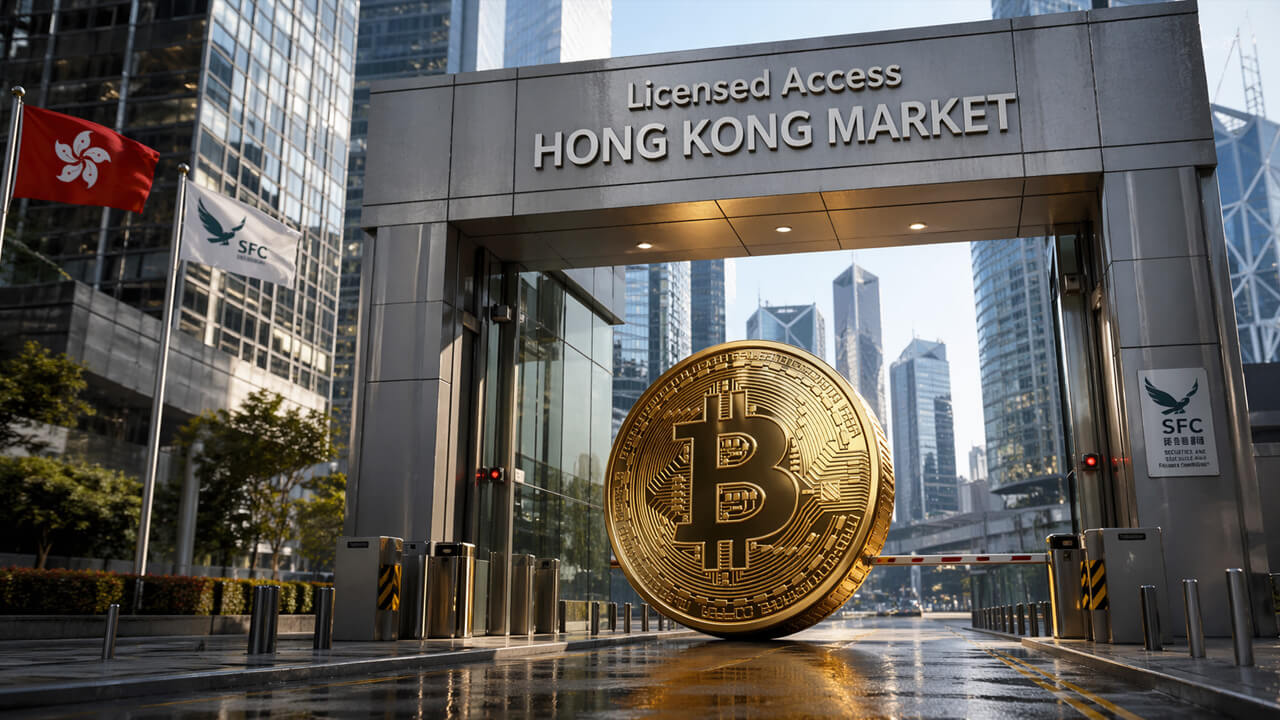
This move is not just big in size; it's strategic. Avenir Group is already one of Asia's largest holders of US bitcoin ETF exposure, with a $908 million IBIT position. But Bitfire's goal is different: create a local vehicle, regulated by Hong Kong's Securities and Futures Commission (SFC), that lets Asian investors — family offices, listed companies, fund managers — gain bitcoin exposure without relying on Wall Street or offshore exchanges. The SFC has been preparing the ground: it licensed virtual asset trading platforms and, in November, allowed local platforms to share global order books with overseas counterparties under new rules.
“The real value isn't in the bitcoin itself, but in the regulated wrapper that lets Asian institutional investors treat the asset as part of their local financial infrastructure.”
The regulatory context is key. Hong Kong has been competing with Singapore to become Asia's crypto hub. The SFC has taken a pragmatic approach, licensing platforms like OSL and HashKey, and allowing retail investors access to certain products. However, Alpha BTC represents a qualitative leap: it is a traditional investment fund that invests in bitcoin, not an exchange. This means it can attract investors who previously could not touch crypto due to internal investment committee restrictions.
On-Chain Data

- Avenir's IBIT position: $908 million in BlackRock's ETF, making it one of Asia's largest holders of bitcoin exposure through Wall Street.
- Alpha BTC target: Over 10,000 BTC, about $760 million, to create Asia's first regulated bitcoin capital pool.
- Laurore Ltd.'s prior investment: $436 million in IBIT, revealed in February, showing Hong Kong capital already flows into US ETFs.
- Asian bitcoin capital: Large sums already sit in US ETFs, offshore platforms, listed companies, and family offices, but without a local regulated vehicle.
- Cumulative flows into US bitcoin ETFs: Since their launch in January 2024, spot bitcoin ETFs have accumulated over 800,000 BTC, with a significant portion coming from Asia. This underscores the unmet demand for a local vehicle.

On-chain analysis reveals that bitcoin holdings by Asian entities are substantial but fragmented. Large amounts sit on offshore exchanges like Binance and OKX, in family offices, and in US ETFs. The creation of a local regulated vehicle could consolidate some of that capital and attract new flows from investors who have stayed on the sidelines due to lack of a suitable product.
Market Impact
If Bitfire hits its target, it could redefine how Asian capital flows into bitcoin. Until now, institutional investors in the region had two main options: buy US ETFs (like IBIT) or use unregulated offshore exchanges. Both have drawbacks: US ETFs are subject to US market hours, US jurisdiction, and counterparty risk with US custodians; offshore exchanges face regulatory uncertainty and trust issues. A regulated Hong Kong vehicle offers a third way: liquidity during Asian hours, SFC oversight, and a structure that banks, auditors, and boards can understand and approve.
The move could also pressure other Asian financial hubs, like Singapore, to accelerate their own regulatory frameworks for bitcoin products. If Hong Kong solidifies itself as Asia's institutional bitcoin hub, it could attract not just Alpha BTC's 10,000 BTC, but also a significant share of the capital that currently flows into US ETFs. The question is whether local market liquidity and depth can handle orders of that size without slippage. Additionally, the use of derivatives could introduce extra risks, such as forced liquidations if the market moves against.
Another aspect to consider is the impact on US ETFs. If a portion of Asian capital redirects to Alpha BTC, flows into IBIT and other ETFs could decrease, affecting premiums and discounts. However, it could also increase competition and improve overall market efficiency for bitcoin.
Your Alpha

- 1Monitor regulatory progress: The SFC has been supportive, but Alpha BTC's success depends on receiving all necessary approvals. Any delay or shift in regulatory stance will affect investor confidence. Pay attention to SFC announcements regarding fund licenses and investment products.
- 2Watch flows into Asian ETFs: If Bitfire succeeds, similar products could emerge in Singapore or even mainland China via Hong Kong. This could reduce dependence on US ETFs and create new premiums or discounts in bitcoin prices across different markets. Compare trading volumes of IBIT during Asian vs. US hours.
- 3Assess volatility impact: A pool of 10,000 BTC under professional, regulated management could reduce intraday volatility by acting as a stable buyer or seller. However, if the fund uses derivatives, it could amplify moves during stress. Analyze the correlation between ETF flows and bitcoin volatility.
- 4Track Avenir's IBIT position: If Avenir starts reducing its US ETF exposure to redirect capital into Alpha BTC, that would be a clear signal the local vehicle is gaining traction. Monitor quarterly 13F filings.
Next Catalyst
The official launch of Alpha BTC is subject to SFC approval. A decision could come within months, possibly before Q3 2026 ends. Additionally, market response to the initial offering will determine if other players join the trend. If the raise exceeds 10,000 BTC quickly, it could trigger a wave of similar announcements from other Asian financial centers.
Also watch Avenir's IBIT position. If it starts reducing its US ETF exposure to redirect capital into Alpha BTC, that would be a clear signal the local vehicle is gaining traction. Another catalyst could be the inclusion of bitcoin on the balance sheets of Hong Kong-listed companies, following MicroStrategy's example.
The Bottom Line

Hong Kong is building Asia's first regulated bitcoin pool, targeting 10,000 BTC that could transform how institutional Asian capital accesses the cryptocurrency. It's not just about buying bitcoin; it's about creating a local financial wrapper that competes with Wall Street. If successful, other jurisdictions will follow, and the map of bitcoin flows could redraw. Position for a shift in crypto capital geography.