
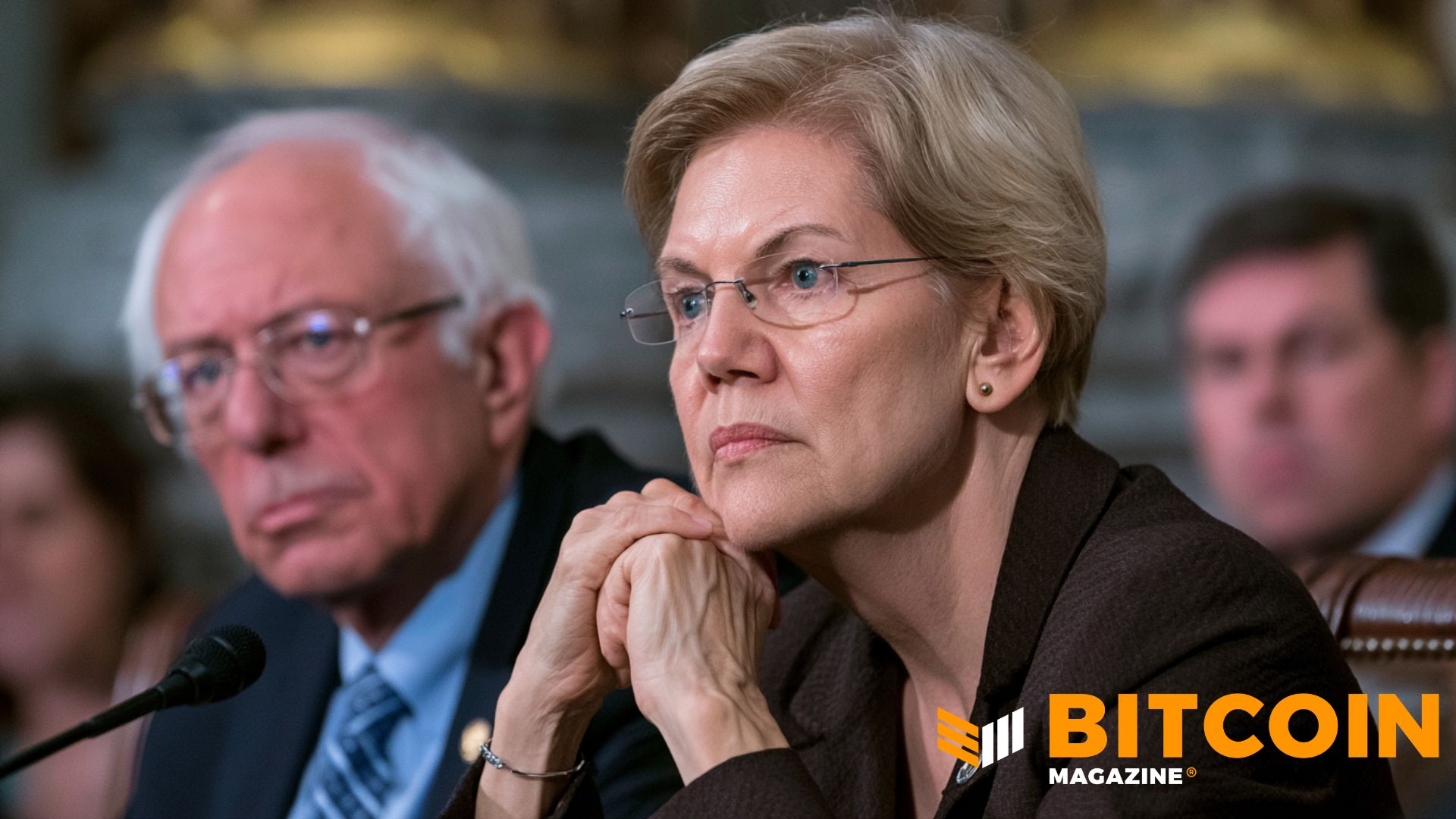
Senators Bernie Sanders and Elizabeth Warren are demanding the Trump administration scrap a proposed rule that would open 401(k) retirement accounts to Bitcoin and other cryptocurrencies. In a 14-page letter to Acting Labor Secretary Keith Sonderling, the lawmakers argue the rule prioritizes political profits over worker security. The proposal, floated in March, would amend the 'prudence' standard under ERISA, the 1974 retirement law. Currently, fiduciaries must prove they have carefully vetted any investment. The new rule would flip that: fiduciaries would only need to follow a prescribed process to be presumed prudent, even when offering volatile assets like crypto.
The Signal
The proposal represents a seismic shift in retirement plan regulation. Currently, fiduciaries must conduct thorough due diligence and document that each investment is prudent. The new rule would allow 401(k) administrators to include cryptocurrencies, private equity, private credit, and other alternative assets without the same burden of proof. Democrats warn this exposes $14.2 trillion in retirement savings to extreme risk. FINRA has warned that crypto investments "have experienced higher levels of volatility relative to more traditional investment assets" and that "the risk of losing all of your investment is significant." The FBI reported over $11 billion in crypto fraud losses in 2025, among the highest of any cyber-enabled crime.

The Sanders-Warren letter is not a mere political gesture; it is a detailed legal document citing court precedents, FBI data, and senior poverty statistics. The lawmakers argue that the rule "is harmful to American workers and counter to statute, Congressional intent, existing regulations, and case law." The context is crucial: the Trump administration has pushed a pro-crypto agenda, including creating a strategic Bitcoin reserve and appointing industry-friendly regulators. However, Democratic opposition, combined with consumer group concerns, could stall the initiative. The letter also highlights that 22.8% of U.S. seniors live in poverty, compared to 5.1% in Denmark, arguing that exposing this vulnerable group to high-risk assets is irresponsible.
On-Chain Data

- Volatility: Bitcoin has experienced drawdowns exceeding 80% from all-time highs, far surpassing any traditional asset in a 401(k) portfolio. For instance, from its peak of $73,000 in March 2024 to lows of $15,000 in 2022, the asset has shown annualized volatility above 70%.
- Fraud losses 2025: $11 billion in crypto fraud reported by the FBI, topping all other cybercrime categories. This includes Ponzi schemes, hacks, and investment scams.
- Senior poverty in U.S.: 22.8% of seniors live in poverty, compared to 5.1% in Denmark, per data cited in the letter. The lawmakers argue that exposing retirement savings to risky assets is particularly harmful to this demographic.
- Trump family crypto haul: Trump's crypto ventures have raised an estimated $5 billion since September, per The Wall Street Journal. This includes token sales and transaction fees.
- Trump memecoin collapse: The official Trump token surged to $75 at inauguration but crashed to around $2, a 97% decline. This illustrates the extreme risk of political memecoins.

Market Impact
If enacted, the rule would allow 401(k) fiduciaries to include not just Bitcoin but also private equity, private credit, and other alternatives. For crypto markets, it would be a massive institutional endorsement, potentially unlocking capital from the $14.2 trillion retirement pool. Even a 1% allocation would represent $142 billion in new demand, a significant catalyst for Bitcoin and other cryptocurrencies. However, the political opposition is fierce. Democrats have tied the rule directly to Trump's financial interests: his sons manage the family crypto business, and Trump himself has a memecoin that benefits from regulatory attention. "The change to the prudence standard expands opportunities for President Trump and his family to profit at the expense of taxpayers, workers, and retirees," the letter states.
Consumer advocacy group Americans for Financial Reform went further: "Opening 401(k)s to these products risks turning workers' retirement savings into a Ponzi-like scheme that throws a lifeline to an industry scrambling for fresh cash." This rhetoric reflects deep distrust of the crypto industry, which has been marred by scandals like the FTX collapse and bankruptcies of Celsius and BlockFi. The key question is whether the rule will survive political and legal scrutiny. Republicans in Congress have shown support for financial innovation, but pressure from older voters, a key demographic, could tip the scales.
Your Alpha

- 1Monitor the regulatory timeline: The rule is in public comment period until June 30, 2026. If finalized before midterm elections, it could boost Bitcoin prices short-term. A legislative defeat would be bearish. Investors should follow congressional hearings and Labor Department statements.
- 2Position in political memecoins: The Trump token (TRUMP) is a barometer of political sentiment. Its 97% collapse from highs suggests the market already prices in an adverse scenario, but any positive news on the rule could trigger a speculative rally. However, the risk of total loss is high, so only recommended for high-risk-tolerant traders.
- 3Diversify away from crypto: For institutional investors, regulatory uncertainty argues for waiting. Pension funds and 401(k) plans will likely keep crypto exposure minimal until legal clarity emerges. Consider allocating to traditional assets like Treasuries or real estate while the regulatory landscape resolves.

Next Catalyst
The public comment period on the rule closes June 30, 2026. The crypto industry is expected to flood the Labor Department with support letters, while consumer groups and unions push back. A final vote could come in Q4 2026, just before midterm elections. Additionally, the _Spence v. Trump_ lawsuit over presidential conflicts of interest could influence the Labor Department's willingness to proceed. If courts block other Trump initiatives, this rule could also be frozen. Investors should watch for news on this case, as it could set an important precedent.
Another factor is the stance of the Securities and Exchange Commission (SEC) and the Commodity Futures Trading Commission (CFTC). Both agencies have shown divergent approaches to crypto, and any leadership changes could affect the rule's implementation. Additionally, the Federal Reserve has expressed concerns about financial stability, which could lead to greater oversight.
The Bottom Line

The battle over crypto 401(k)s is more than a regulatory spat: it's a proxy war between institutional adoption and consumer protection. For now, the status quo favors critics, but industry and administration pressure is intense. Investors should brace for political volatility, not just market volatility. The outcome will determine whether millions of Americans' retirement savings become crypto's next frontier. Ultimately, the decision could have global implications, as other countries watch how the U.S. handles integrating crypto into retirement systems. Prudence and patience will be key to navigating this uncertain environment.