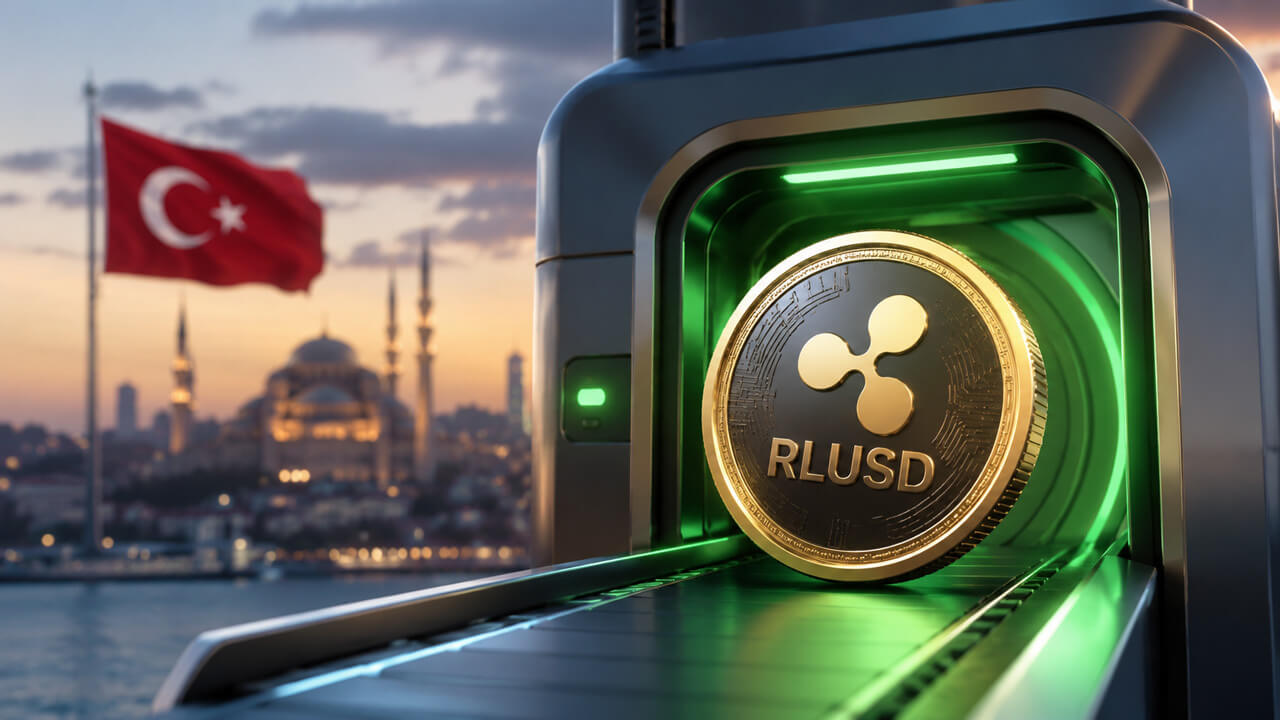
Ripple is pushing its dollar-backed stablecoin into Turkey, betting that one of the world's most active digital-asset markets is ready for a more regulated version of the digital dollars already used to navigate currency weakness and limited access to traditional dollar savings. On June 2, the Brad Garlinghouse-led company announced that its US dollar-pegged stablecoin, RLUSD, is now available to institutional clients in Turkey through integration agreements with local cryptocurrency platforms BiLira, Bitexen, and Bitlo.
The Signal
The stakes for capturing market share are exceptionally high. Turkey handled nearly $200 billion in annual crypto transactions, almost four times the United Arab Emirates' $53 billion, making it the dominant crypto economy in the Middle East and North Africa, according to blockchain data firm Chainalysis. This massive volume isn't just retail speculation; it reflects structural demand for digital dollars as a hedge against inflation and lira devaluation. Turkey's nominal GDP of $1.64 trillion, combined with an annual inflation rate of 45% as of May 2026, has driven capital flight into stablecoins as a store of value. The lira has lost over 80% of its value against the dollar in the last five years, creating a persistent need for dollar-denominated assets that are accessible outside the traditional banking system.

Ripple is targeting this demand directly. The rollout places RLUSD inside the domestic order books of three established Turkish gateways. Ripple executives are aggressively targeting corporate and institutional liquidity, positioning the token as a compliance-first alternative to incumbent stablecoins that currently dominate the offshore market. Since its global launch in late 2024, RLUSD has scaled to a $1.7 billion market capitalization, a remarkable growth trajectory that underscores demand for regulated stablecoins. However, it remains a fraction of USDT's $120 billion and USDC's $80 billion market caps, highlighting the immense runway for growth if Ripple can capture even a small share of the Turkish market.