The SEC is about to ignite a new battle in digital markets: allowing crypto-native exchanges to list tokenized stocks of companies like Tesla, Apple, and Nvidia without those companies' consent. The proposal, part of the agency's 'Project Crypto,' would create an innovation exemption for tokenized securities, opening the door for decentralized platforms to offer these instruments during a limited experimental period. But the core issue is whether retail investors understand that they aren't shareholders in any meaningful legal sense, as these tokens may lack voting rights, dividends, and direct legal protection.
The Signal
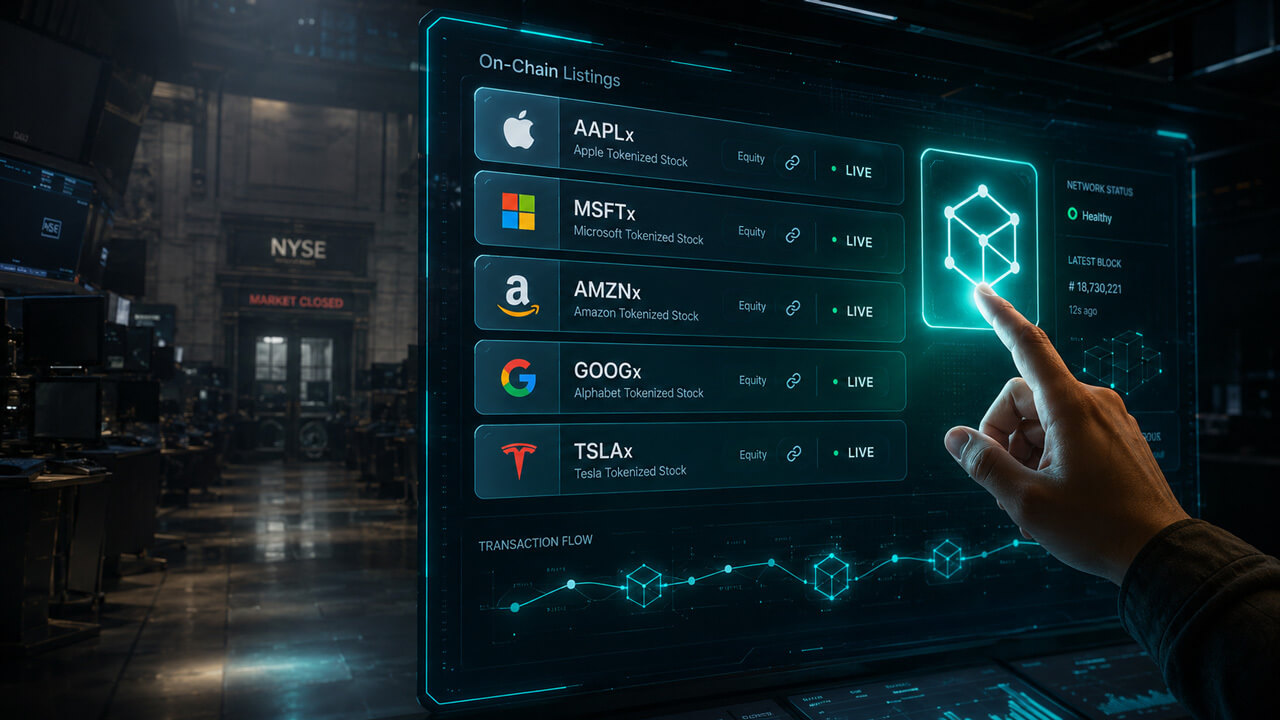

Bloomberg Law reported on May 18 that the SEC is preparing an 'innovation exemption' for tokenized stocks, allowing crypto-native platforms to offer digital versions of publicly traded securities under lighter regulatory requirements. This follows the SEC's approval of Nasdaq's rules for tokenized equities in March 2026 and a similar approval for the New York Stock Exchange in April. Both exchanges now allow tokenized versions of select equities and ETFs, using the Depository Trust Company's (DTC) tokenization pilot. The key difference is that while those prior approvals kept tokenized trading inside existing market structure, the new exemption is designed to permit broader on-chain trading by crypto-native venues and some decentralized finance protocols during a limited experimental period.
According to DefiLlama data, the on-chain RWA market is close to $30 billion, which represents just 0.02% of global equity value against SIFMA's 2024 global equity market capitalization of $126.7 trillion. The tokenized stock segment is minuscule, but the exemption could determine whether it grows into a regulated extension of US equities or stays a crypto side market with no investor protection. The proposal also raises custody concerns: while 1:1 backed tokens with a regulated custodian offer a legal claim on the underlying share, synthetic tokens only replicate price without ownership rights. The SEC may allow both types but with different conditions.