
Kevin Warsh could become Fed chair. His nomination already moved crypto markets.

The Signal
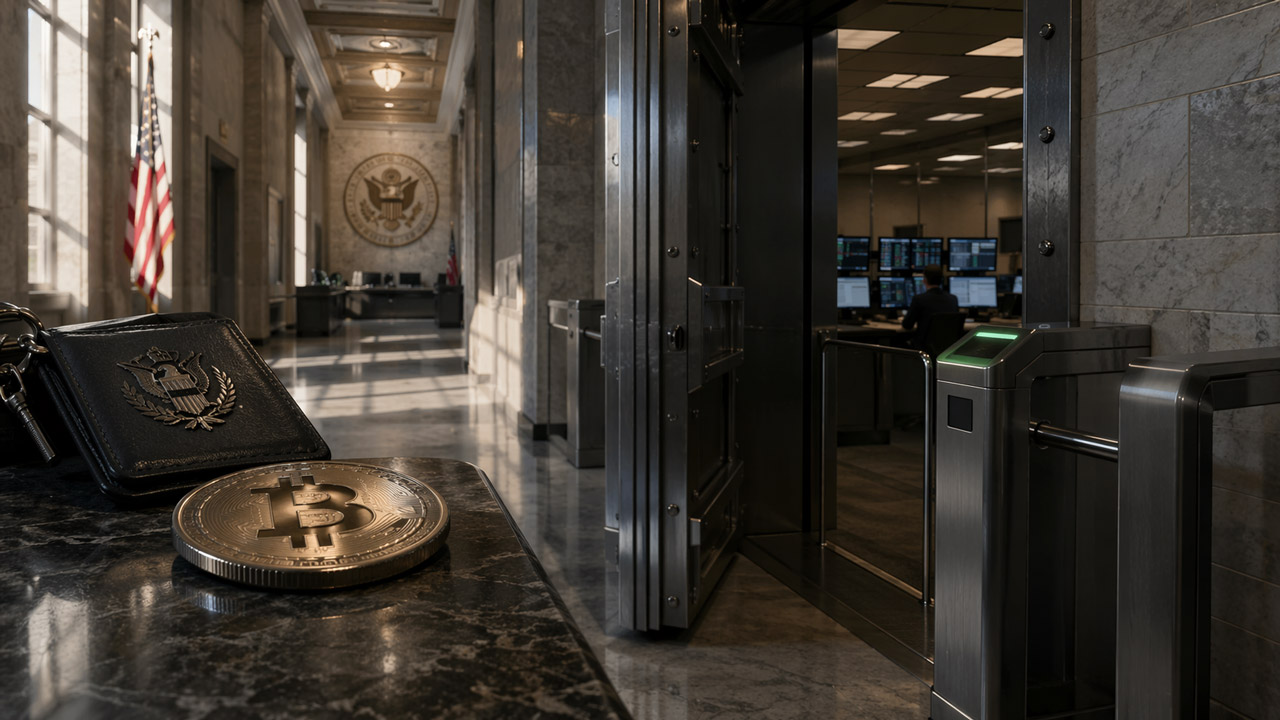
Fed Shift: Warsh Nomination Could Squeeze Bitcoin Through Tighter Mone

When Kevin Warsh's odds of becoming Federal Reserve chair rose recently, Bitcoin sold off immediately. Traders read him as a central banker who favors a smaller Fed balance sheet and a tighter monetary regime. This market reaction, though brief, reveals how sensitive Bitcoin is to expectations about Fed policy, even before any change materializes. The digital asset operates in an ecosystem where global liquidity and risk appetite are key determinants of its performance.

Bitcoin price chart
Bitcoin price chart

The significance of this move extends beyond daily fluctuation. It shows the market is internalizing a potential regime shift. The Fed, under current leadership, has maintained a relatively accommodative stance in recent years, creating a favorable environment for speculative assets like Bitcoin. The mere possibility of a turn toward restriction, embodied in Warsh's figure, was enough to trigger a selling response. This underscores a fundamental truth: for Bitcoin, U.S. macroeconomic policy is as crucial a price factor as any halving or institutional adoption.

A chair whose instincts lean toward a smaller balance sheet matters to crypto in the cold arithmetic of markets, because tighter money usually leaves less room for speculative assets to run.

On-Chain Data

On-Chain Data — bitcoin
On-Chain Data
  • Price Reaction: When Warsh's nomination odds climbed, Bitcoin prices sold off, according to trader reports. This instant negative correlation between policy expectations and price is a pattern observed in previous quantitative tightening cycles.
  • Disclosed Exposure: Warsh's financial disclosure revealed holdings tied to several crypto-related ventures, including Polymarket. He is the first nominee to reach the chair's seat with visible sector exposure at a moment when crypto is pushing closer to the mainstream American financial system.
  • Divestment Pledge: Warsh has pledged to divest those positions under Fed ethics rules if confirmed by the Senate. This step, though regulatory, symbolizes the growing intersection between the financial establishment and the crypto world.
Fed disclosure document

Market Impact

The clearest consequence of a Warsh chairmanship will most likely arrive through macro policy rather than doctrine. Reuters reported that he favors a smaller Fed balance sheet and a tighter monetary regime. Bitcoin tends to perform better when liquidity is abundant and investor risk appetite is high, and it tends to struggle when the Fed pulls liquidity back. So a chair whose instincts lean toward a smaller balance sheet matters to crypto in the cold arithmetic of markets, because tighter money usually leaves less room for speculative assets to run.

That's also legible well beyond crypto. The same institution that influences borrowing costs, market sentiment, and the value of financial assets more broadly also shapes the backdrop in which Bitcoin trades. Even those who care little about digital assets still understand the underlying mechanism, because they see the Fed's influence in mortgage payments, savings returns, and stock-market swings. Bitcoin sits on that same map of risk, only a little bit closer to the edge.

A second consequence reaches deeper into the financial system itself. The Federal Reserve influences whether crypto firms can connect more directly to the core of American finance, and the tone set by the chair filters down to banks, custodians, and regulators deciding how much exposure to permit. Earlier this month, Kraken became the first crypto firm to secure a Fed master account, giving it direct access to Fed payment rails with restrictions. Regional Fed banks manage those accounts, while the Fed board sets the guidelines and has signaled openness to more restricted models for crypto and fintech firms.

Your Alpha

Your Alpha — bitcoin
Your Alpha

A Warsh-led Fed will inherit that opening question, and its answers will help determine whether crypto becomes a more established fixture of the financial system or remains closer to its edges. That same tone also shapes the broader climate around bank custody of digital assets, stablecoin scrutiny, and supervisory attitudes toward firms operating at the border of banking and crypto. Warsh's direct authority over crypto legislation will be limited, yet his stance will still influence how willing banks feel to work with digital-asset businesses and how quickly the compliance burden eases or tightens.

  1. 1Prepare for a lower-liquidity environment: Traders and investors should stress-test portfolios under the assumption that monetary policy could become less favorable. Assets heavily reliant on risk appetite and cheap liquidity could face headwinds.
  2. 2Monitor banking system access: Warsh's confirmation could slow or redefine how crypto firms access Fed master accounts and other key banking services. Builders should prepare contingency plans for a scenario of increased regulatory friction.
  3. 3Differentiate between narrative and actual policy: Warsh's past exposure to crypto ventures doesn't guarantee favorable policies. His track record and statements point to traditional macroeconomic priorities that could be contractionary for the sector.
trader analyzing macro charts

Next Catalyst

The Senate confirmation process will be the next major catalyst. Hearings and debate will reveal more about Warsh's specific stance toward financial innovation and digital asset oversight. Any statements about the Fed's balance sheet, interest rates, or regulatory treatment of cryptocurrencies could move markets. Traders will watch for signals about the pace and magnitude of any policy tightening he might favor.

Subsequently, the first policy meeting under his leadership (if confirmed) will set the operational tone. Decisions on balance sheet runoff, interest rates, and forward guidance will be scrutinized for their potential impact on market liquidity. For Bitcoin and digital assets broadly, this will be the moment when narrative turns into measurable policy action, with direct implications for capital flows and price dynamics.

The Bottom Line

The Bottom Line — bitcoin
The Bottom Line

Kevin Warsh's nomination represents a crossroads for Bitcoin: a candidate with personal sector exposure but policy instincts that could create a less favorable macroeconomic environment. His most immediate impact will likely come through traditional monetary policy—specifically, any move toward a smaller Fed balance sheet and tighter regime—which has historically pressured speculative assets. Longer-term, his tone will influence how integrated the crypto ecosystem becomes within the core U.S. financial system. Market participants should prepare for potentially reduced liquidity and stricter banking access while monitoring the confirmation process for clearer signals. Bitcoin's future under Warsh will depend less on his crypto past and more on his hand on the macroeconomic lever.