Bitcoin Regulation: FBI Director's Historic Bitcoin 2026 Appearance Si
FBI Director Kash Patel's participation in Bitcoin 2026 with 35,000 attendees represents a historic shift in U.S. regulatory policy, benefiting miners like Core
The FBI's participation in Bitcoin 2026 marks the definitive end of the era of regulatory hostility and the beginning of constructive engagement based on technical understanding and open dialogue.
The confirmation that FBI Director Kash Patel will speak at Bitcoin 2026 isn't merely another conference announcement—it represents a fundam...
The historical context is crucial for understanding the magnitude of this shift. Since the creation of the Cryptocurrency Enforcement Framew...
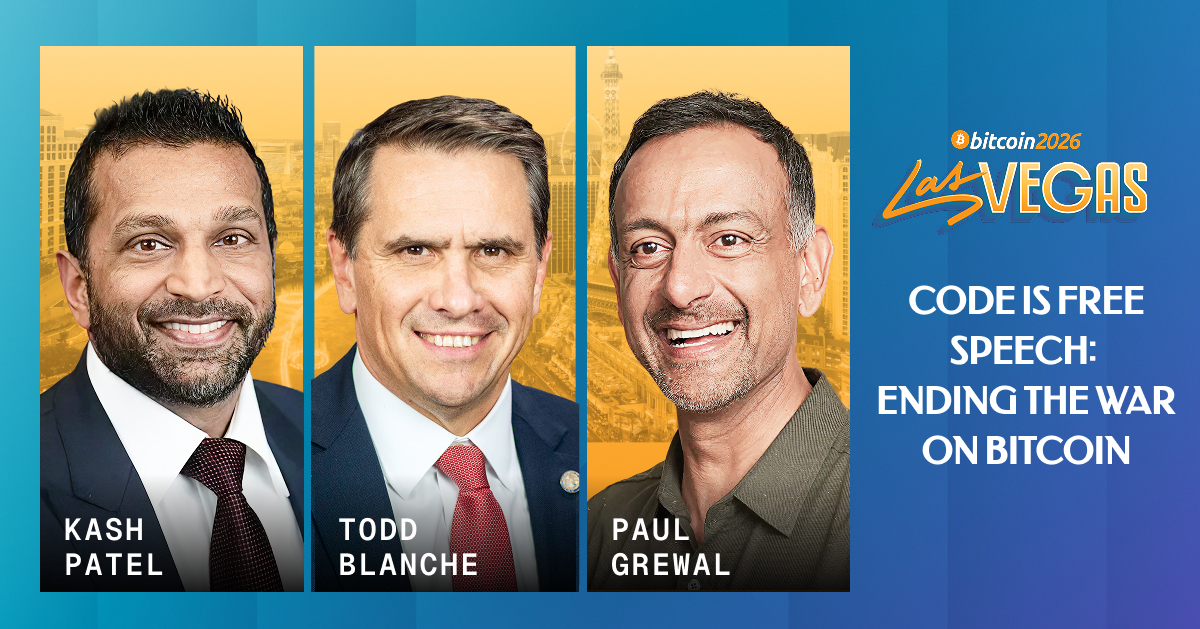
The confirmation that FBI Director Kash Patel will speak at Bitcoin 2026 isn't merely another conference announcement—it represents a fundamental inflection point in the relationship between U.S. federal agencies and the cryptocurrency industry, particularly Bitcoin. This move culminates an 18-month transformation in regulatory posture that began with significant Department of Justice shifts and now extends to the nation's premier law enforcement agency. Patel's participation alongside Deputy Attorney General Todd Blanche and Coinbase Chief Legal Officer Paul Grewal on a panel titled "Code Is Free Speech: Ending The War On Bitcoin" symbolizes unprecedented inter-agency coordination and institutional recognition that confrontational policies have failed.
The historical context is crucial for understanding the magnitude of this shift. Since the creation of the Cryptocurrency Enforcement Framework in 2018, relations between federal agencies and the crypto industry have been predominantly adversarial, characterized by aggressive investigations, regulatory lawsuits, and public rhetoric that frequently equated blockchain technology with illicit activity. Patel's public participation—confirmed as FBI Director in February 2025 following a career spanning national security and law enforcement roles—marks a deliberate break from this paradigm. More significantly, his transparency about personal holdings in Bitcoin ETFs and Bitcoin miner Core Scientific stock establishes a new standard for senior officials, demonstrating that participation in digital assets is no longer incompatible with regulatory oversight roles.
bitcoin conference crowd
The parallel evolution at the Department of Justice provides the essential regulatory framework for this shift. In April 2025, Deputy Attorney General Todd Blanche issued a directive ordering the DOJ to cease systematic targeting of cryptocurrency mixers, recognizing that these privacy tools have legitimate uses and that an overly broad approach was stifling technological innovation. This decision, which reversed years of aggressive posture toward on-chain privacy tools, established the legal precedent that now enables the FBI to adopt a more nuanced stance. The joint participation of Patel and Blanche at Bitcoin 2026 isn't coincidental but a coordinated strategy to communicate a unified message from the two most influential federal agencies in crypto enforcement.
“The FBI's participation in Bitcoin 2026 marks the definitive end of the era of regulatory hostility and the beginning of constructive engagement based on technical understanding and open dialogue.”
On-Chain Data
Record attendance and exponential growth: Bitcoin 2025 in Las Vegas drew 35,000 attendees, significantly surpassing Miami 2022's 26,000 and setting a new all-time high for the conference. This growth represents a 35% increase in just three years, reflecting the accelerated expansion of the Bitcoin ecosystem.
Sustained growth trajectory: The conference has scaled dramatically over five years, from 11,000 attendees in Miami 2021 to the current 35,000, with an average annual attendance of 21,800 people during this period. This 33% compound annual growth rate trajectory outpaces most traditional technology conferences.
Institutional participant diversification: Bitcoin 2026 offers multiple pass types designed specifically for newcomers, professionals, established enterprises, and financial institutions, reflecting ecosystem maturation beyond early adopters. The inclusion of separate institutional tracks indicates market segmentation that facilitates traditional player participation.
Strategic geographic expansion: After three years in Miami (2021-2023), the conference moved to Nashville in 2024 and now returns to Las Vegas, demonstrating national appeal and ability to mobilize crypto communities across multiple regions. This geographic rotation strengthens the event's national foundation.
Speaker and sponsor composition: The increase in institutional speakers from 120 in 2021 to 500+ in 2026, alongside sponsor diversification toward traditional financial firms, indicates progressive normalization within the conference ecosystem.
attendance growth chart
Market Impact
Market Impact
The participation of top law enforcement officials at Bitcoin 2026 has profound and differentiated implications for multiple crypto market segments. For regulated exchange businesses like Coinbase, represented by Chief Legal Officer Paul Grewal on the panel, this means quantifiable reduction in regulatory risk that has weighed on valuations since their public listing. Grewal, a former U.S. federal magistrate judge and former Deputy General Counsel at Facebook, has been engaged in regulatory discussions for years, including Coinbase's litigation with the SEC. His presence alongside Patel and Blanche suggests these conversations have reached a convergence point where industry and regulators are finding common ground based on existing regulatory frameworks rather than adversarial approaches.
The impact extends beyond exchanges to traditional capital markets. Bitcoin miners like Core Scientific, in which Patel has disclosed personal investments, benefit from greater regulatory clarity that reduces the risk premium associated with political uncertainty. The mining industry has faced regulatory pressure across multiple jurisdictions, particularly around environmental and energy usage concerns that have limited access to institutional financing. A senior official publicly investing personally in miners sends a powerful signal to capital markets about the sector's long-term legitimacy, potentially reducing capital costs and facilitating infrastructure expansions.
Bitcoin exchange-traded funds (ETFs) represent another key beneficiary of this regulatory shift. The institutional clarity provided by FBI participation lowers entry barriers for institutional investors who have been cautious due to concerns about future regulatory treatment. This could accelerate capital allocations to Bitcoin ETFs, which have already reached record assets under management levels, and create a positive network effect where greater institutional participation attracts more traditional capital into the space.
Your Alpha
The shift in regulatory tone creates differentiated strategic opportunities across multiple market fronts. Institutional investors who have maintained marginal allocations to digital assets due to regulatory uncertainty now have clear signals that major federal agencies are adopting a collaborative approach based on technical understanding. This should accelerate capital allocations to multiple segments of the Bitcoin ecosystem.
1Increase strategic exposure to miners: Consider increasing allocation to Bitcoin mining companies like Core Scientific, Riot Platforms, and Marathon Digital, which benefit directly from enhanced regulatory legitimacy and institutional interest. The mining sector, traditionally valued at significant discounts due to regulatory risk, could experience multiple expansions as this risk premium diminishes.
2Monitor exchange stocks for entry opportunities: Exchange stocks like Coinbase could react positively to reduced regulatory risk, particularly in the context of pending SEC litigation. Favorable resolution of these cases, facilitated by the broader regulatory environment shift, could create significant revaluation opportunities.
3Diversify into privacy tools with risk assessment: The DOJ's mixer decision creates a more favorable environment for privacy protocols like Tornado Cash and Aztec Protocol, though requiring caution given divergent international regulatory landscapes. Consider small, diversified exposures to privacy projects with clear legitimate use cases.
4Position in institutional infrastructure: Companies providing infrastructure for institutional adoption, such as regulated custodians, on-chain data providers, and institutional trading platforms, could benefit disproportionately from increased traditional capital entering the space.
trader analyzing charts
Next Catalyst
Next Catalyst
Bitcoin 2026 itself, taking place April 27–29, 2026 at The Venetian, Las Vegas, represents the immediate next catalyst with multiple dimensions of potential impact. With 500+ speakers and multiple world-class stages, the event will serve as a platform for significant policy announcements, strategic partnerships, and institutional product launches. The confirmed participation of Patel, Blanche, and Grewal ensures policy discussions will be central to the agenda, with potential for concrete announcements about collaborative oversight frameworks.
Beyond the conference, markets should monitor concrete regulatory actions following this rhetorical shift. Operational implementation of DOJ's April 2025 policies on mixers, including specific guidelines for prosecutors and agents on distinguishing legitimate from illicit use, will provide additional validation of the posture change. Any new FBI guidance on crypto-related investigations, particularly in areas like money laundering and terrorist financing, will offer crucial procedural clarity for regulated businesses.
Congressional hearings on crypto legislation scheduled for Q2 2026 will also be crucial, as they could translate this enforcement shift into formal legislative frameworks. Bills like the Lummis-Gillibrand Responsible Financial Innovation Act, which has been stalled in committees, could receive renewed political momentum with implicit backing from law enforcement agencies. Investors should specifically monitor discussions about digital asset regulatory classification, custody requirements for institutions, and tax frameworks, which will have direct impacts on sector valuations.
The Bottom Line
The FBI Director's participation in Bitcoin 2026 marks a historic inflection point in federal agencies' relationship with the Bitcoin industry, representing the transition from a confrontation paradigm to one of collaboration based on technical understanding. With 35,000 expected attendees and key law enforcement figures actively participating in substantive discussions, the event symbolizes both Bitcoin ecosystem maturation and its normalization within the U.S. regulatory establishment. Investors should position strategically for an environment where regulatory clarity systematically reduces risk premiums and opens new institutional opportunities across multiple market segments, from mining and exchange to institutional infrastructure and traditional financial instruments based on Bitcoin.