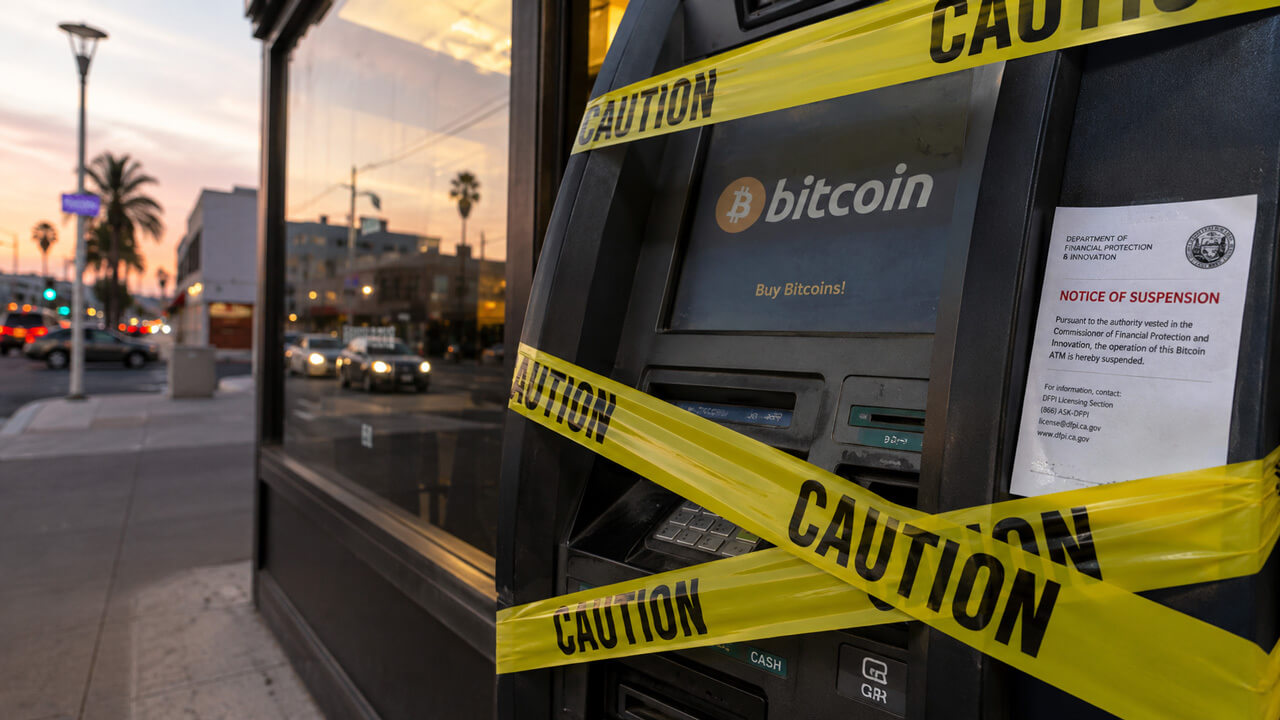
The CFTC just rewrote the rulebook for crypto derivatives in the United States. For the first time, American traders can access bitcoin perpetual futures on a regulated domestic exchange and route into global perp and options liquidity through Coinbase. This move not only democratizes access but also sets a precedent for integrating innovative financial products within the U.S. regulatory framework.
The Signal
On Friday, May 29, 2026, the Commodity Futures Trading Commission approved KalshiEX's BTCPERP contract—a perpetual futures product referencing bitcoin's spot price, trading on Kalshi's CFTC-regulated designated contract market. Simultaneously, the agency granted no-action relief to Coinbase Financial Markets, allowing it to offer digital commodity derivatives—including access to offshore venues like Deribit—to U.S. clients through a registered futures commission merchant (FCM) structure. This dual action represents a regulatory milestone that analysts had anticipated since early this year.

Perpetual futures, or 'perps,' are contracts with no expiration date that let traders bet on price moves without owning the underlying asset. They dominate crypto derivatives trading, accounting for approximately 80% of global derivatives volume, but activity has historically been concentrated on offshore platforms like Binance, Bybit, and Deribit, beyond U.S. investors' reach. CFTC Chair Michael Selig called the move a watershed: "This morning, the CFTC took historic action to permit the listing of a true bitcoin perpetual contract by a CFTC-registered exchange, charting a path for one of the most liquid segments of the crypto asset markets to exist within the US regulatory framework." The statement underscores the regulator's intent to foster innovation without sacrificing investor protection.
“The CFTC just unlocked ~80% of the global crypto derivatives market for U.S. traders.”
The political context is also relevant. Under the Trump administration, the CFTC has adopted a more proactive approach to crypto regulation, seeking to balance innovation with oversight. This contrasts with the SEC's more restrictive stance under Chair Gary Gensler, though the joint regulatory clarity framework outlined earlier this year suggests a coordinated effort. The Kalshi approval and Coinbase relief are seen as concrete steps toward 'onshoring' crypto derivatives infrastructure, reducing reliance on foreign jurisdictions.
On-Chain Data

- Kalshi BTCPERP Approval: First true bitcoin perpetual contract on a CFTC-regulated exchange, referencing spot BTC price. The contract will be cash-settled and subject to CFTC margin and oversight.
- Coinbase Relief: Allows Coinbase Financial Markets to offer digital commodity derivatives to U.S. clients, including access to offshore venues like Deribit. Coinbase will act as an FCM, providing custody and execution.
- Deribit Access: Institutional clients can now tap Deribit, which holds tens of billions in bitcoin options open interest. This opens a deep liquidity source for hedging and speculative strategies.
- 24/7 Advisory: CFTC staff issued guidance on round-the-clock trading, clearing, and settlement, signaling readiness for blockchain-enabled continuous markets. The guidance addresses operational and counterparty risks in a non-stop environment.

Market Impact
The combination of the Kalshi approval, Coinbase no-action relief, and the 24/7 advisory amounts to a blueprint for how U.S.-regulated entities can plug into and help domesticate the global perpetuals market. Kalshi can list a fully regulated bitcoin perp on its own exchange, while Coinbase, through its FCM, can connect U.S. clients to deep offshore liquidity pools without forcing them into bespoke offshore corporate structures. This significantly lowers barriers to entry for both institutional and retail investors.
Under Chair Selig and the Trump administration, the CFTC has pivoted from enforcement-driven deterrence toward structured onshoring of key crypto market segments. This is a seismic shift: U.S. traders no longer need VPNs or unregulated exchanges to trade perps. Coinbase CEO Brian Armstrong seized on the news: "Big day for our US-based traders, and for Coinbase. US users were shut out of ~80% of global crypto markets (perpetual futures and options). But not anymore!" Market reaction was immediate: bitcoin's price rose 3% in the hours following the announcement, and futures volume on CME also saw an uptick.
The impact extends beyond bitcoin. Other cryptoassets like ether are expected to follow suit, especially if the CFTC extends approval to ether perpetuals. Moreover, competition among platforms will intensify: offshore exchanges like Binance and Bybit may lose a significant portion of their U.S. user base, forcing them to seek U.S. licenses or focus on other markets. On the other hand, the entry of regulated players could boost confidence among traditional investors, attracting capital that previously avoided the sector due to regulatory uncertainty.
Your Alpha

- 1Direct institutional access: U.S.-based funds and asset managers can now trade perps and options through Coinbase Financial Markets without offshore structures, cutting costs and legal risk. Evaluate integration with existing trading systems for efficiency.
- 2Arbitrage opportunity: A regulated perp on Kalshi may trade at a premium or discount to offshore perps. Traders with access to both venues can exploit these spreads through statistical arbitrage strategies. Monitor the basis between BTCPERP and perps on Binance or Deribit.
- 3Prepare for 24/7 markets: The CFTC advisory signals a move toward continuous trading. Traders should adapt risk management strategies for a market that never sleeps, such as using dynamic stops and constant liquidity monitoring. Consider implementing automated trading systems that operate 24/7.

Next Catalyst
The logical next step is expansion to other cryptoassets. If the CFTC allows perpetuals for ether or other digital commodities, expect a wave of new products. The interplay with the SEC remains a wildcard: the joint regulatory clarity framework outlined earlier this year could accelerate or complicate the timeline. The SEC is expected to issue its own guidance on similar products in the coming months.
Also watch how offshore exchanges react. If Binance or Bybit lose U.S. volume, they may respond with aggressive incentives for non-U.S. traders or seek their own U.S. licenses. A potential acquisition of a regulated entity by an offshore exchange would be a strategic move to watch.
The Bottom Line

The CFTC has taken a bold step that reshapes the crypto derivatives landscape. For U.S. investors, the message is clear: the perp market is no longer off-limits. Execution is now key—how quickly Coinbase and Kalshi integrate these products and how demand responds. Early movers in this new regulated infrastructure will have a significant edge. The crypto derivatives market is about to undergo a profound transformation, and those who adapt first will reap the greatest rewards.