
Bitcoin Depot, once North America's largest Bitcoin ATM operator, filed for Chapter 11 bankruptcy on May 18, 2026, taking its entire network of roughly 9,700 machines offline. The company, which once served as the physical gateway to crypto for millions, reported a 49.2% year-over-year revenue decline in Q1 2026, a drop of $80.7 million. Gross profit collapsed 85.5%, from $31.2 million to just $4.5 million, while a net profit of $12.2 million swung to a net loss of $9.5 million. This collapse is not an isolated incident; it is the culmination of a business model that relied on exorbitant fees and minimal verification in an increasingly hostile regulatory environment.
The Signal: The end of unchecked convenience
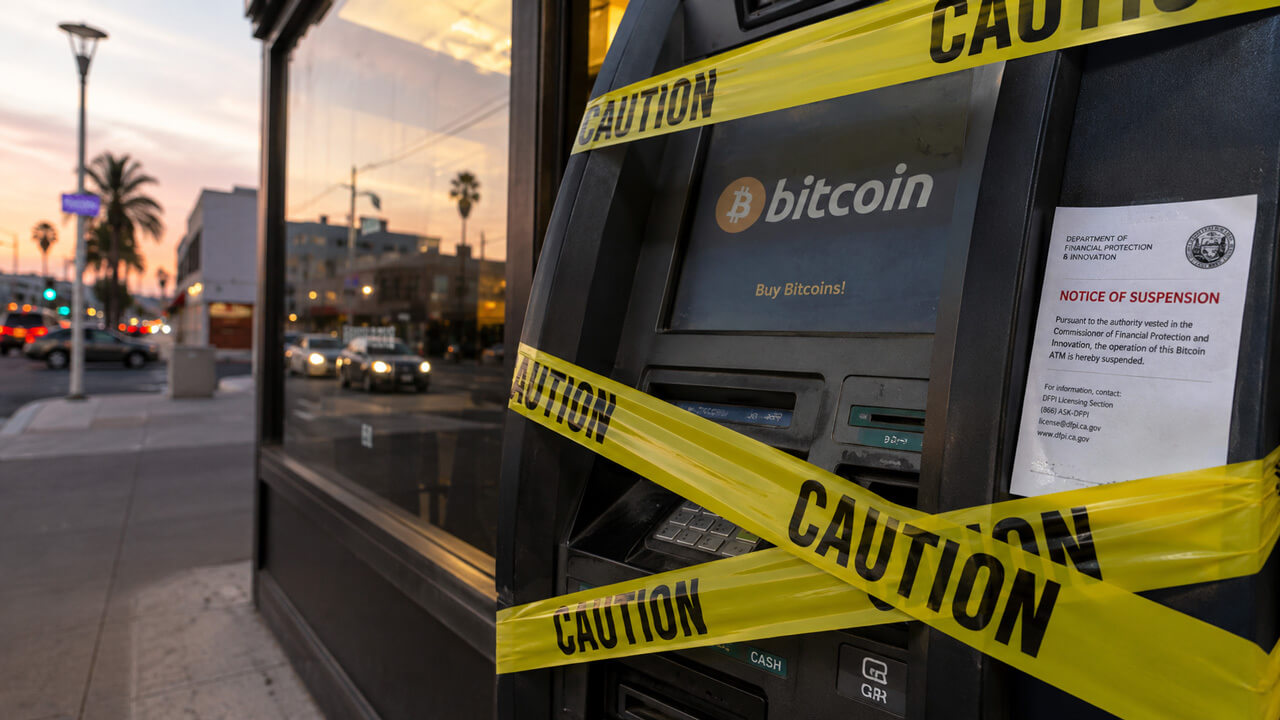
Bitcoin ATMs solved a concrete problem: the friction of traditional exchanges. Until recently, depositing money onto a US exchange required waiting periods that felt unreasonably long for an asset built around a 10-minute block time. A machine in a corner store bypassed all that verification and waiting, reducing the process to a simple cash transaction anyone could complete. That convenience commanded fees ranging from 10% to 30% per transaction, a premium that essentially no financial service could sustain, but the ATMs managed through sheer immediacy.

But irreversibility was the main structural vulnerability. When a bank customer gets defrauded, a fraud desk can dispute the charge and recover the funds. When a Bitcoin ATM sends funds to a wallet controlled by a scammer, the transaction settles on the blockchain and stays there forever, with no authority capable of reversing it. Phone-based social engineering campaigns that coached elderly victims through ATM transactions became a documented pattern across multiple states, and the scale of those losses ultimately gave regulators both the evidence and the political cover to act. The combination of reputational damage, political pressure, and the availability of cheaper alternatives (spot Bitcoin ETFs, fintech apps) has created a perfect storm that is driving the sector to extinction.
“The Bitcoin ATM was convenient, but its irreversibility made it the scammer's channel of choice.”
On-Chain Data: Rising fraud and revenue freefall

- ATM fraud complaints: The FBI logged 13,460 crypto kiosk fraud complaints in 2025 alone, representing $389 million in reported losses, a 58% jump from the prior year. This alarming growth has put the sector squarely in regulators' crosshairs.
- Elderly victims: Adults aged 60 and older accounted for roughly $257.5 million of that figure, concentrating the harm in a demographic with enough electoral power to make a crackdown politically durable. This data point has been key in justifying drastic measures.
- Bitcoin Depot decline: Revenue fell $80.7 million year-over-year in Q1 2026, and gross profit collapsed 85.5%, from $31.2 million to just $4.5 million. The company went from a net profit of $12.2 million in Q1 2025 to a net loss of $9.5 million in Q1 2026.
- Bankruptcy filing: The company filed for Chapter 11 in the US Bankruptcy Court for the Southern District of Texas, with Canadian entities under court supervision and other international operations winding down. The case could set precedent for other operators.

Market Impact: A domino effect beyond Bitcoin Depot
Bitcoin Depot's collapse is not an isolated event. It signals that the ATM business model—high fees, minimal verification—is no longer viable. The combination of stricter regulation, cheaper alternatives (spot Bitcoin ETFs, fintech apps), and reputational damage from fraud has created a perfect storm that is sweeping the sector.
Canada has already proposed a complete ban on crypto ATMs, calling them a primary channel for fraud and money laundering. If this ban materializes, other countries, especially in the European Union and Australia, may adopt similar measures. For remaining operators, margins are squeezed: fees are dropping due to competition, but compliance costs are rising. Companies that cannot adapt to a strict compliance environment will likely follow Bitcoin Depot's path.
Exchanges and custodial platforms, on the other hand, benefit from this situation. By eliminating an unregulated access channel, investors are forced onto KYC-compliant platforms, boosting registered user bases and trading fee revenue. Additionally, the disappearance of ATMs reduces competition for traditional exchanges, which can capture those users by offering safer services with lower fees.
Your Alpha: How to position yourself for the end of Bitcoin ATMs

- 1Avoid Bitcoin ATMs: Fees remain high (10-30%) and fraud risk is real. Use regulated exchanges or ETFs for Bitcoin exposure. If you need to buy crypto with cash, look for alternatives like prepaid cards or verified P2P services.
- 2Watch regulation in your jurisdiction: If ATMs still operate in your country, prepare for restrictions. Canada is the bellwether; what happens there may replicate in other markets. Stay informed about local legislative proposals.
- 3Seek opportunities in compliance: Companies offering KYC/AML solutions for crypto will see increased demand as regulators tighten the noose. Investing in compliance startups or shares of regulatory technology firms could be a smart move.

Next Catalyst: What's coming for the sector
Bitcoin Depot's bankruptcy hearing in Texas will define the future of its assets and could set precedent for other operators. Meanwhile, Canada's proposed ban moves forward; a final decision is expected in Q3 2026. If the Canadian ban materializes, other governments (especially in the EU and Australia) may adopt similar measures, accelerating the sector's demise.
Also watch for actions by the SEC and FTC in the US, which could intensify investigations into ATM-related fraud. Any new federal regulation could be the death blow for remaining operators.
The Bottom Line

Bitcoin Depot didn't fail because of Bitcoin's price; it failed because of an unsustainable business model. Convenience no longer justifies the fees, and regulators have found in elderly fraud the perfect justification to shut the door. For investors, the lesson is clear: the future of crypto access lies with regulated platforms, not street-corner machines. Position yourself on licensed exchanges and ETFs; ATMs are history. The Bitcoin ATM sector, once the most visible face of cryptocurrency, could disappear entirely within the next 12 months.