Block wants bitcoin to be more than a store of value—it wants it to be everyday cash. With over 800,000 Square merchants now accepting BTC and new activations every eight seconds, Jack Dorsey's company is orchestrating the largest bitcoin payments rollout in history.
The Signal
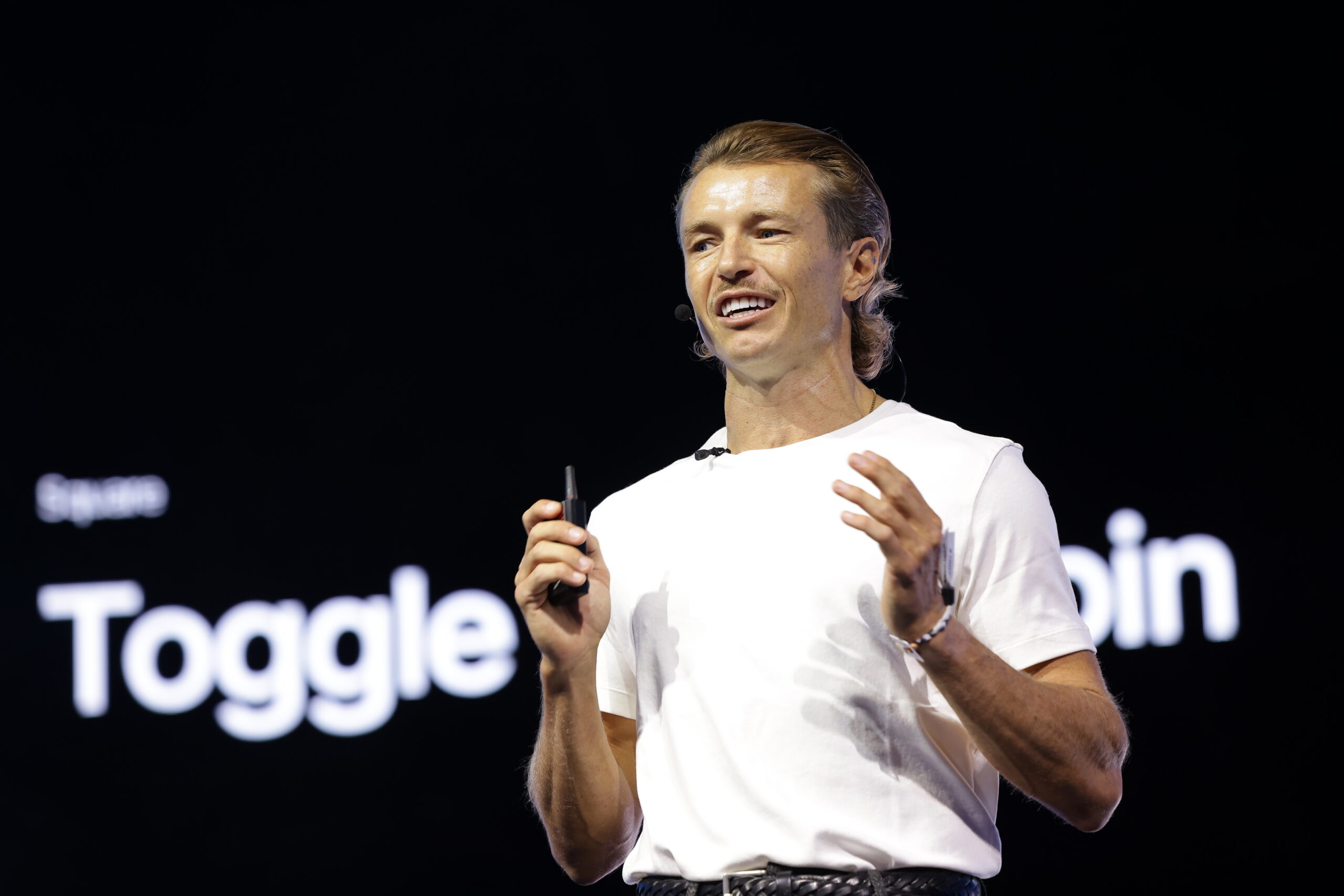
Miles Suter, Block's Bitcoin Product Lead, took the Nakamoto Stage at Bitcoin 2026 in Las Vegas on Tuesday with a clear message: bitcoin must circulate. "If Bitcoin doesn't function as peer-to-peer cash, it loses the quality that makes it transformational," Suter said, framing Block's entire product push around Satoshi's vision of a freer, fairer financial system.

The presentation came one day after Block rolled out a wave of bitcoin-focused product announcements on April 27, making it one of the most aggressive product offensives the company has staged at a single conference. Suter revealed that more than 808,000 Square merchants now have bitcoin payments auto-enabled, with a new business activating the feature every eight seconds. The figure builds on Block's March 2026 decision to automatically enable bitcoin payments for eligible U.S. Square sellers, a rollout that reached millions of merchants in one move.
“"If Bitcoin doesn't function as peer-to-peer cash, it loses the quality that makes it transformational." — Miles Suter, Block”
On-Chain Data

- Merchants accepting BTC: Over 808,000 Square merchants with bitcoin payments enabled, new activations every 8 seconds.
- Block's BTC reserves: 28,355.05 BTC (~$2.2 billion), of which 19,357.16 BTC ($1.5 billion) are customer-held and 8,997.89 BTC ($696 million) are corporate treasury.
- Cash App withdrawal limits: Raised 5x to $10,000/day and $25,000/week.
- Bitcoin Back rewards: 5% BTC back on purchases at Square merchants.
- Zero processing fees: Tap-to-pay with Lightning Network carries no processing fees through end of 2026.

Market Impact
Block is solving the chicken-and-egg problem of bitcoin payments: no merchants, no users; no users, no merchants. By auto-enrolling over 800,000 merchants, Block creates a massive acceptance network that incentivizes Cash App users to spend bitcoin. The integration with Lightning Network and NFC without QR codes reduces friction to Apple Pay levels, potentially accelerating retail adoption.
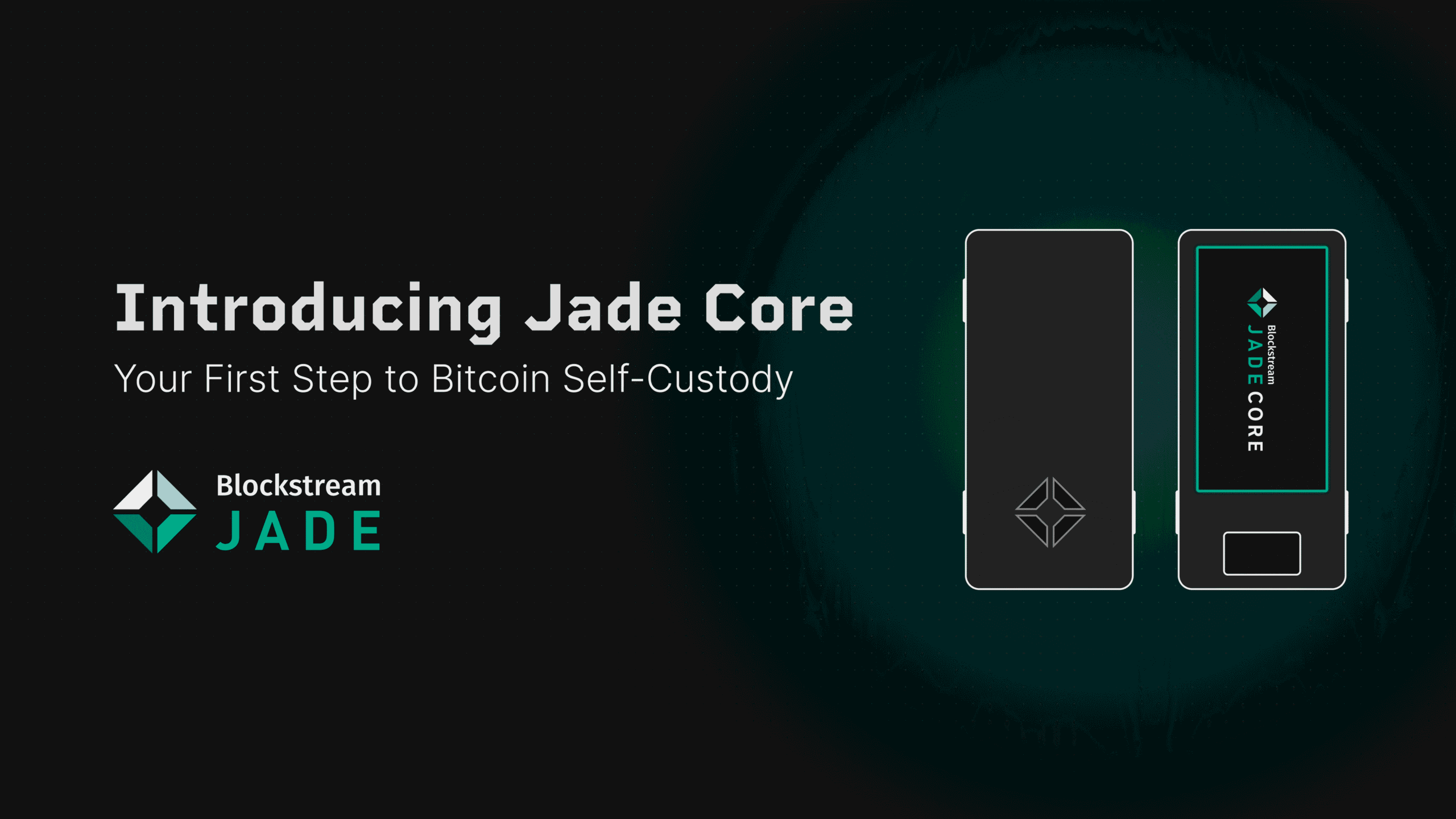
The launch of the Bitkey hardware wallet with a built-in touchscreen and 2-of-3 multisig architecture removes the need for seed phrases, a major barrier to mass adoption. By tying transaction verification to the device screen rather than an external system, Block reduces phishing risk and human error. Suter summed it up: "Bitcoin only works if no single company controls it."
Block's Q1 2026 Proof of Reserves, with 28,355 BTC verifiable on-chain, reinforces transparency. However, analysts note that proof-of-reserves alone does not capture liabilities or customer obligations—a point competitors might exploit.
Your Alpha

- 1Monitor bitcoin's velocity of circulation. If Block succeeds in getting users to spend rather than hoard bitcoin, velocity will increase, potentially shifting the narrative from "digital gold" to "digital cash." This could impact the scarcity premium and volatility.
- 2Watch Lightning Network adoption. The tap-to-pay feature uses Lightning, increasing demand for payment channels and liquidity. Lightning node operators and liquidity providers could benefit.
- 3Assess impact on competitors. PayPal, Square (competitors), and other fintechs may feel pressure to offer similar products. The zero-fee war could expand, benefiting users but compressing margins.

Next Catalyst
The Bitcoin 2026 conference is also pushing for a de minimis tax exemption on small bitcoin transactions. If enacted, it would remove the capital gains reporting burden that currently discourages everyday spending. Block has lobbied Washington in favor of this policy, and a decision could come in the coming months.
Additionally, Block's roadmap includes expanding Bitkey to more countries and integrating with Cash App to allow sending bitcoin to contacts without an external wallet. The company also plans to launch an API for third-party developers to build on its payments infrastructure.
The Bottom Line

Block is executing the most ambitious strategy to turn bitcoin into everyday money: 800,000 merchants, zero-fee payments, seedless wallets, and BTC rewards. The bitcoin payments market is moving from curiosity to infrastructure. If velocity picks up and tax regulation follows, 2026 could be the year bitcoin starts functioning as money, not just an investment asset.
Additional Context
Block's move does not happen in a vacuum. Other companies like Strike and Coinbase have also launched bitcoin payment products, but none have the scale of the Square network. With over 800,000 merchants, Block far surpasses any competitor in terms of acceptance points. Moreover, integration with Cash App, which has millions of active users, creates a closed ecosystem where bitcoin can flow without leaving the platform.
However, challenges remain. Bitcoin's volatility is still a hurdle for merchants, though Block automatically converts payments to fiat currency to avoid price risk. Additionally, user education is key: many merchants still do not understand how bitcoin works or why they should accept it. Block has launched educational materials and dedicated support to address this.
On-Chain Analysis
Bitcoin's velocity of circulation, measured as daily transaction count divided by circulating supply, has historically been below 10, indicating most bitcoin is held as an investment. If Block succeeds in raising velocity to 20 or higher, it could signal a paradigm shift. Glassnode data shows velocity has increased slightly since Block enabled automatic payments in March, but it is still early to draw conclusions.
Another key metric is the number of Lightning Network transactions. According to 1ML data, total network capacity has grown 15% since Block's announcement, reaching 5,000 BTC. This suggests liquidity providers are preparing for increased demand.
Risks and Considerations
Despite the optimism, there are risks. Block's role as an intermediary goes against bitcoin's decentralized ethos. If Block controls the majority of payments, it could become a single point of failure or censorship. Additionally, regulation could change: if the IRS decides small transactions must be reported, the incentive to spend bitcoin would diminish.
Security risk also exists. Although Bitkey eliminates seed phrases, the device's security depends on its implementation. If a vulnerability is discovered, user funds could be compromised. Block has hired external auditors to review the code, but no system is perfect.
Conclusion
Block is doing what no one else has achieved: creating a bitcoin payment network at massive scale. If the company can maintain momentum and overcome regulatory and educational hurdles, 2026 could be a historic year for bitcoin as a medium of exchange. Investors and users should watch key indicators: velocity of circulation, Lightning adoption, and regulatory changes.