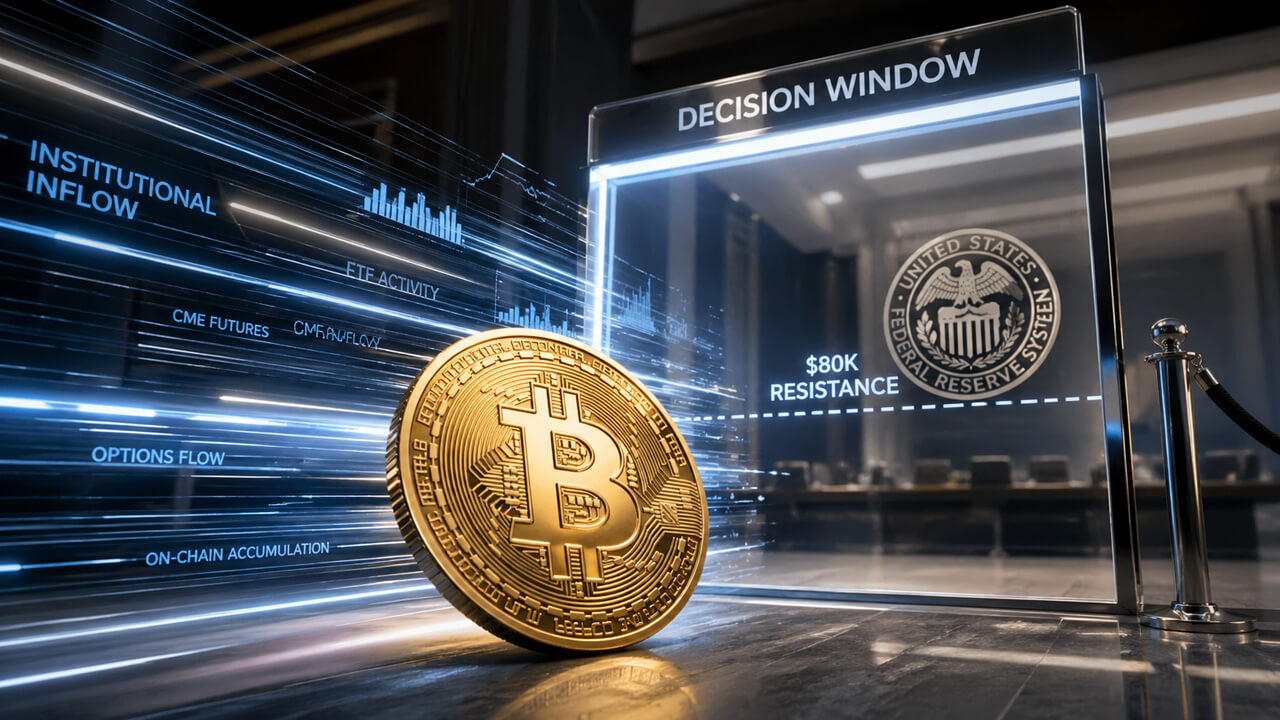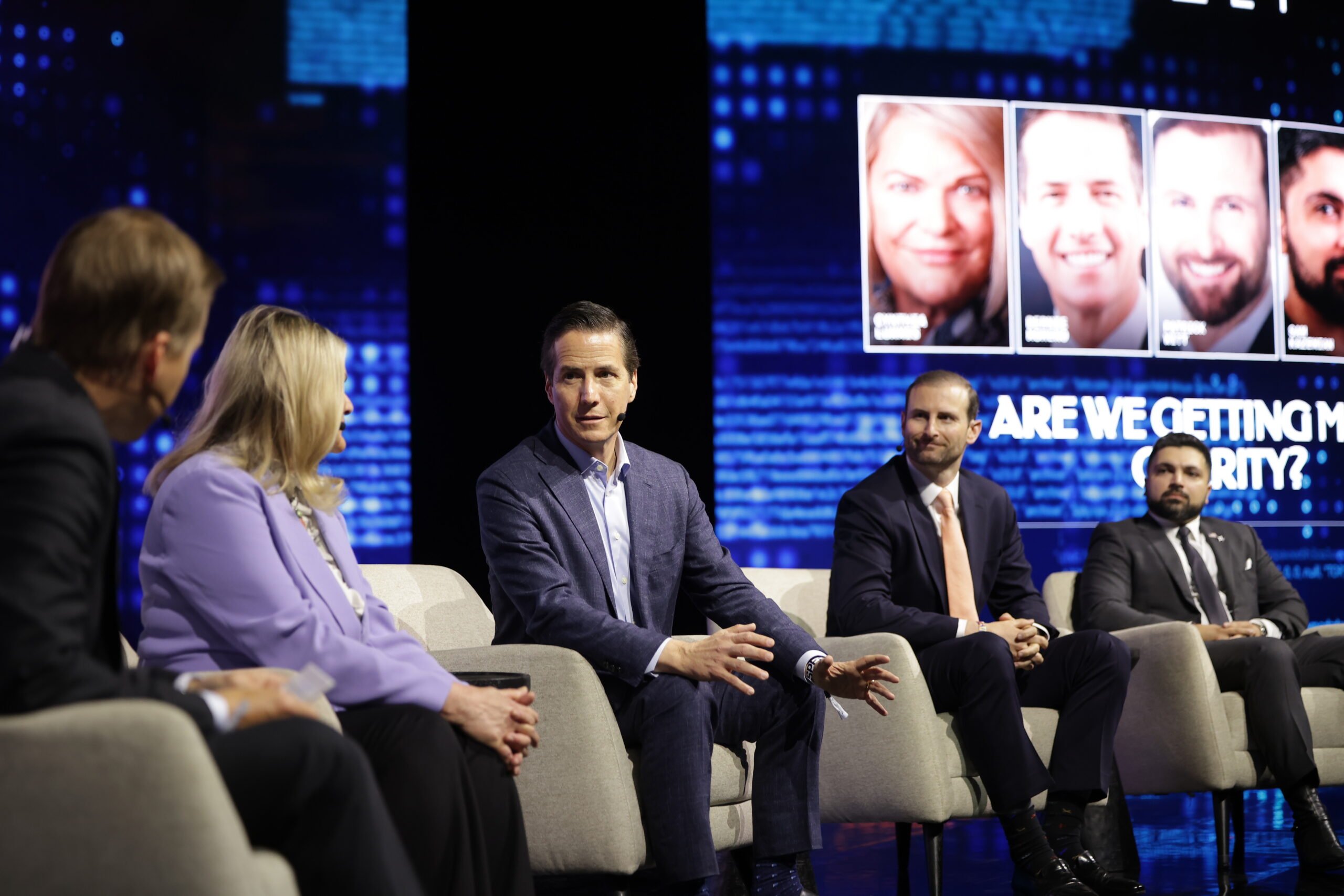
On April 24, 2026, Paul Sztorc, CEO of LayerTwo Labs and longtime Bitcoin developer, announced a new Bitcoin hard fork called eCash, targeted for August 2026 around block 964,000. The proposal copies Bitcoin's history, grants 1 eCash per BTC at the split, and launches a Bitcoin-Core-like base layer mined with SHA-256d alongside Drivechain-style sidechains. For ordinary Bitcoin holders, the practical question is more specific than the backlash: the fork creates a new asset, confusion, and operational decisions, while BTC balances remain governed by Bitcoin software, consensus, and private keys. However, the controversy over reassigning Satoshi's coins has ignited a fierce debate, with critics arguing it violates the immutable nature of Bitcoin's ledger.
The Signal
Sztorc later clarified that the current eCash plan would give Satoshi Nakamoto 600,000 eCash, rather than 1.1 million initially considered. He also reiterated that BTC balances are untouched by eCash and that moving BTC always requires Bitcoin software plus the relevant private key. That distinction sets the holder map: a Bitcoin holder can ignore the fork and still keep the same BTC. The unresolved issue is whether eCash becomes a supported asset that exchanges, wallets, custodians, miners, and tax records must process. Until that happens, the controversy is mostly about legitimacy, incentives, and precedent on a new ledger. The community remains divided: some see a technical innovation that could bring sidechains to Bitcoin, while others view it as a dangerous precedent that undermines Bitcoin's core principle of immutability.

“The eCash fork does not touch original BTC, but it redefines what it means to own a copy of the ledger and raises questions about Bitcoin governance.”
On-Chain Data

- Satoshi Allocation: The current plan grants 600,000 eCash to Satoshi's address, down from 1.1 million initially considered. This reduction has not quelled criticism.
- 1:1 Ratio: Each BTC at the fork block yields 1 eCash on the new chain, meaning BTC holders will receive an equivalent amount of eCash.
- Fork Height: Bitcoin block 964,000, expected August 2026, approximately 6 months after the 2024 halving.
- Mining Algorithm: SHA-256d, identical to Bitcoin, with a one-time difficulty reset to minimum at launch, potentially attracting small miners.
- Activated BIPs: BIP300 (hashrate escrows for sidechains) and BIP301 (blind merged mining) via CUSF, enabling sidechains without additional soft forks.
- Replay Protection: Not yet officially implemented; LayerTwo Labs is expected to release splitting tools before launch.

Market Impact
The controversy grew out of the initial funding design. Reports and Sztorc's own post described a plan to manually reassign fewer than half of the eCash coins corresponding to the presumed Patoshi-pattern coins (around 1.1 million BTC) to early investors or supporters. The Bitcoin mainnet coins would stay where they are. The dispute is over whether a fork should edit the copied version of those balances before launch. Sztorc's latest clarification sharpens that point instead of removing it: eCash would gift Satoshi 600,000 eCash. This has sparked an ethical debate: is it acceptable to modify the historical ledger to reward early investors? Critics argue it sets a dangerous precedent, while supporters see a way to fund sidechain development.
For Bitcoin holders, the fork represents an operational risk more than a financial one. While BTC is unaffected, the existence of a new asset could cause confusion on exchanges and wallets, especially if they do not implement replay protection. Additionally, the inclusion of Drivechain sidechains could divert hashrate from Bitcoin mainnet if miners find it profitable to mine on the new chain. However, the lack of initial exchange support and the need for verified splitting tools limit immediate impact. Historically, forks like Bitcoin Cash and Bitcoin SV caused short-term volatility, but eCash may be different due to the allocation controversy.
Your Alpha

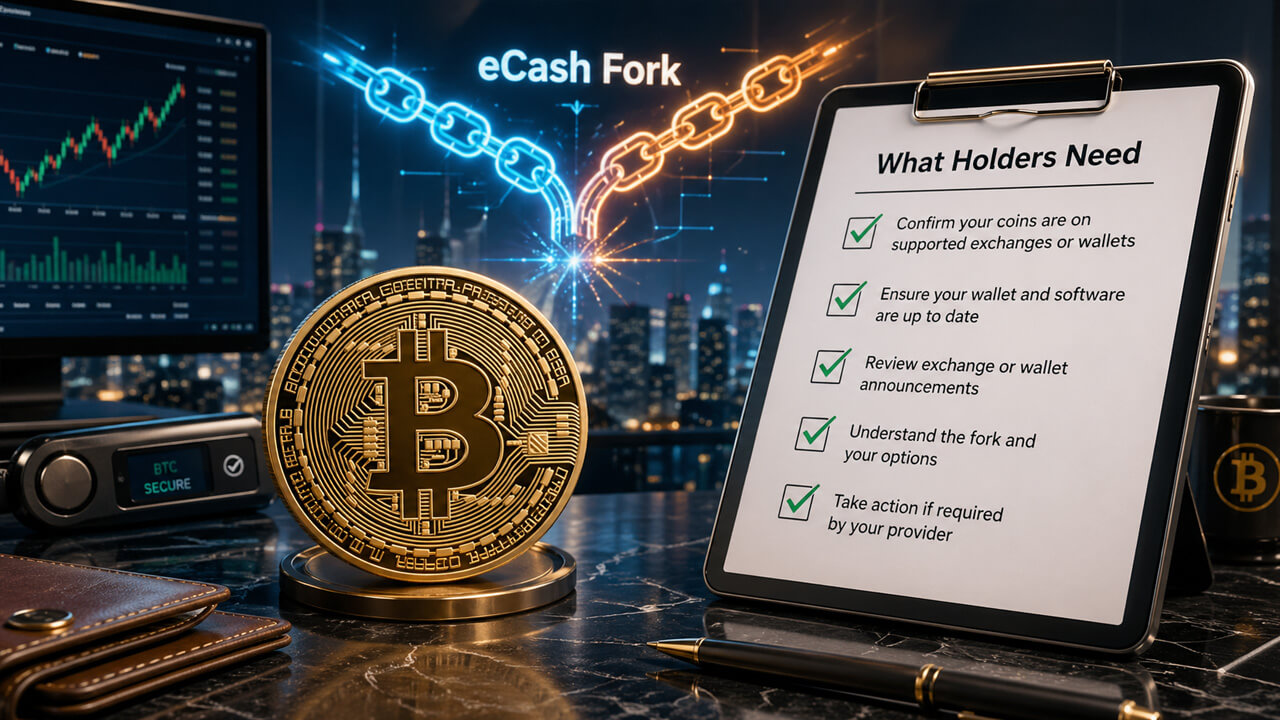
- 1Do nothing until the chain exists: Do not import private keys into unverified software or respond to claim pages. Wait for the fork to launch and the ecosystem to decide whether to recognize the coins. Rushing can lead to phishing losses or technical errors.
- 2Protect your BTC: Ensure your wallets and exchanges implement replay protection. If not, consider moving your BTC to a wallet that does before the fork. Monitor announcements from major exchanges regarding eCash support.
- 3Evaluate sidechain risk: If you are a miner, analyze whether eCash's blind merged mining can offer additional revenue without compromising Bitcoin security. If you are an investor, monitor for hashrate shifts toward eCash, which could indicate early adoption.
- 4Diversify exposure: If you decide to participate, consider holding a small position in eCash as a speculative bet, but do not compromise your core BTC portfolio.

Next Catalyst
The eCash launch is scheduled for August 2026, but final code, replay rules, and user-grade splitting tools still need verification. LayerTwo Labs has shown active development on its CUSF enforcer repository and offers BitWindow software, but the community awaits a stable release and independent audits. The debate over Satoshi's allocation will likely intensify as the date approaches, drawing regulatory and media attention. Additionally, the reaction of Bitcoin miners will be key: if a significant percentage of hashrate diverts to eCash, it could temporarily affect Bitcoin security. Exchanges will also play a crucial role: if they list eCash, the asset gains liquidity and legitimacy; if not, it will likely remain a marginal token. The Bitcoin community will be watching for moves from major mining pools.
The Bottom Line

Paul Sztorc's eCash fork is an experiment testing the limits of Bitcoin governance. For holders, the immediate risk is minimal if basic precautions are taken. However, the controversy over reassigning Satoshi's coins sets an uncomfortable precedent: if a fork can edit the genesis, what stops others from doing the same? The market must decide whether eCash is a legitimate innovation or dangerous noise. For now, the best strategy is to watch, protect keys, and claim nothing until the chain proves its value. History shows most Bitcoin forks fail, but those with a clear value proposition can survive. eCash has potential to be different, but the path is uncertain.