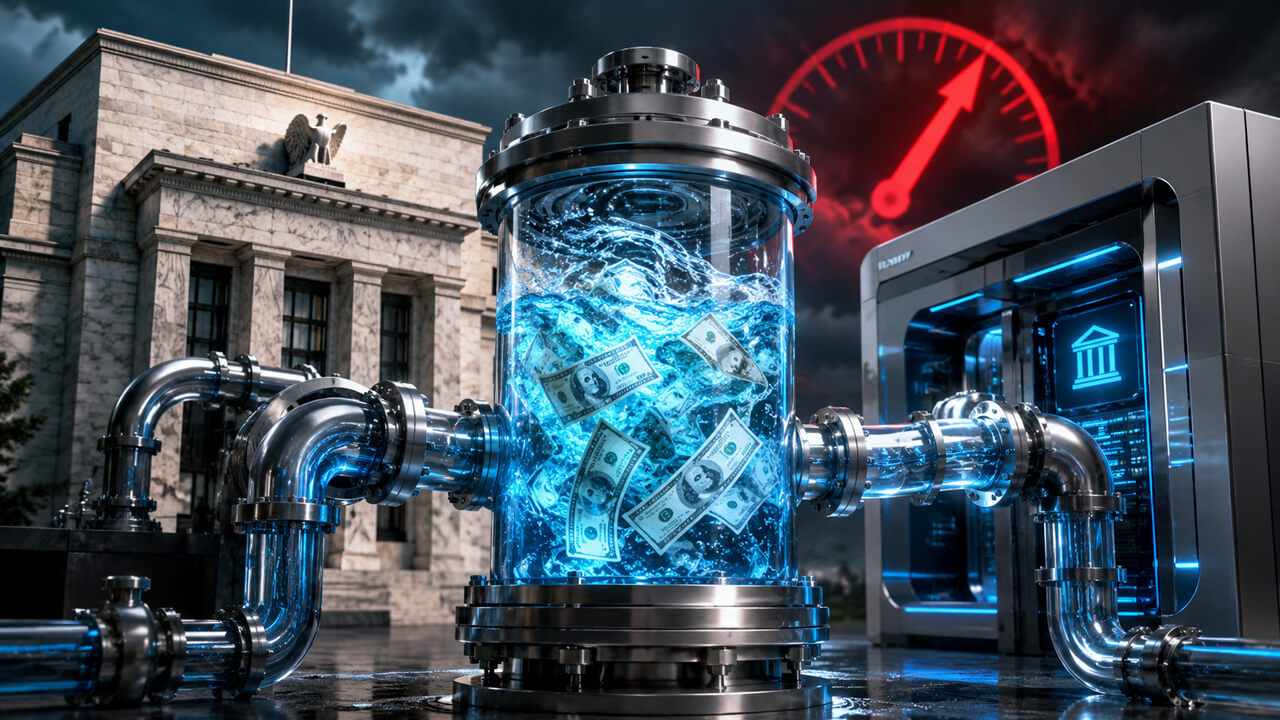
Bitcoin jumped on renewed U.S.-Iran deal optimism, but the rally faces its real test in oil flows and Fed pricing.
The Signal
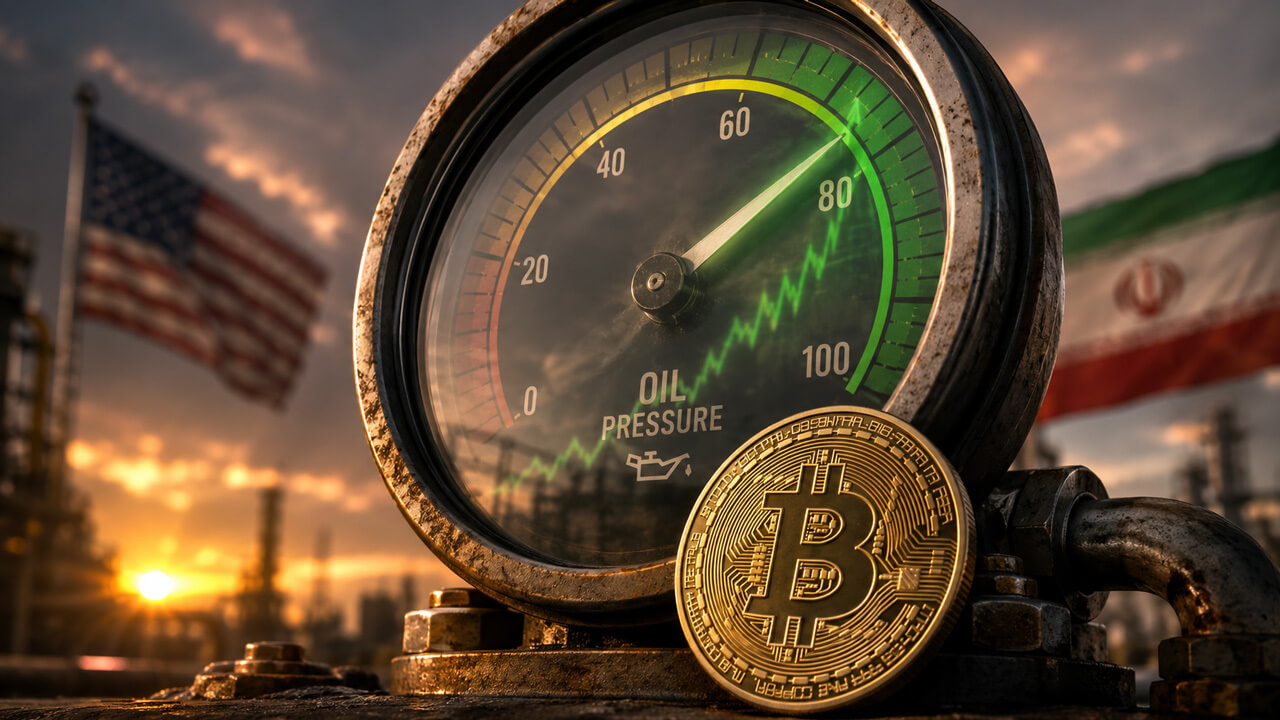
The Bitcoin Iran deal rally on renewed U.S.-Iran deal optimism is a credible first-order macro signal. The move still needs confirmation in oil flows, gasoline prices, inflation compensation, and Fed pricing before traders can treat it as a reopened path to rate cuts.

The immediate market logic is straightforward. A reported framework could extend the ceasefire for 60 days, reopen the Strait of Hormuz, allow Iranian oil sales through sanctions waivers, and move nuclear concessions into follow-on negotiations. If that sequence holds, the war premium in crude can fall, gasoline pressure can ease, inflation readings can cool, Treasury yields can soften, and Bitcoin can trade less like an asset trapped under real-rate pressure. The bounce is therefore as much a liquidity signal as a geopolitical one.
“The bounce is as much a liquidity signal as a geopolitical one.”
Historical context reinforces this thesis. During the Iran-Israel conflict in 2024, Bitcoin fell 12% in two weeks while Brent crude rose 15%. In contrast, when peace talks were announced in March 2026, BTC surged 8% in a single day. This suggests the market has already internalized the inverse relationship between geopolitical tensions and crypto prices. However, the current rally is more fragile because it occurs in an environment of persistent inflation and high rate expectations. The Fed has signaled that any easing will depend on concrete data, not geopolitical promises.