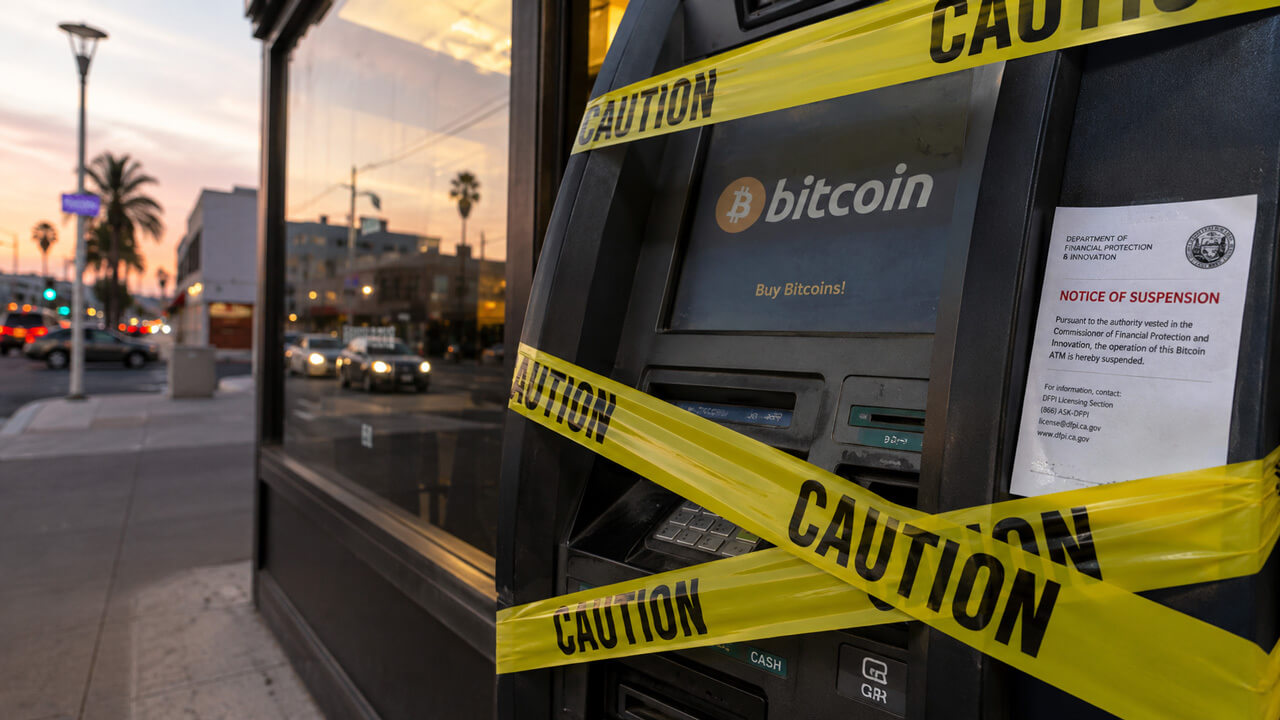
A retired Idaho couple lost their entire life savings — $76,000 — in a scam that used Bitcoin Depot ATMs. The federal class action lawsuit, filed May 11, 2026, accuses the now-bankrupt ATM operator of profiting from fraud while leaving vulnerable consumers unprotected.
The Signal

The Lacey v. Bitcoin Depot case is not an isolated incident. FTC data shows Bitcoin ATM fraud losses increased nearly tenfold between 2020 and 2023, with a median victim loss of $10,000. By 2025, the FBI reported Americans lost $333 million to Bitcoin ATM fraud — more than 10,000 victims in a single year. This exponential growth reflects a lethal combination: the ease of use of ATMs, the lack of effective controls, and the increasing sophistication of scammers. The 43-page complaint details how scammers posing as Norton customer service and FBI agents convinced Karen and Robert Lacey their accounts were tied to child pornography and illegal gambling investigations. Over five consecutive days in August 2025, the couple deposited cash at Bitcoin Depot ATMs. To reinforce the deception, the fraudsters caused wireless networks labeled "FBI" to appear on the Laceys' phones — signals that remained visible for months. The lawsuit alleges Bitcoin Depot processed each transaction "without meaningful intervention" despite clear warning signs: first-time users making large cash deposits while on phone calls with unknown parties.

The scammers' modus operandi is increasingly common. According to the FTC's 2024 report, Bitcoin ATM scams often begin with a phone call or text message impersonating a legitimate company or government agency. The victim is convinced to act quickly to avoid serious consequences, such as arrest or loss of bank accounts. In the Laceys' case, the scammers used advanced social engineering techniques, including creating fake Wi-Fi networks that appeared as "FBI" on their devices. This level of sophistication suggests scammers are investing in technology to make their deceptions more credible. The lawsuit also notes that Bitcoin Depot failed to implement basic protections, such as transaction limits for new users or real-time fraud alerts. In fact, the company charged fees of up to 50% per transaction, generating significant profits at the expense of victims.
On-Chain Data

- Total Loss: $76,000 in retirement savings, deposited over five transactions between August 9-13, 2025.
- Fees Charged: Up to 50% per transaction, according to the complaint. Bitcoin Depot issued two $1,000 refund checks that didn't even cover the fees collected.
- National Fraud: $333 million lost in 2025 across over 10,000 victims in the U.S. (FBI).
- Fraud Growth: Bitcoin ATM fraud losses increased nearly tenfold from 2020 to 2023, with a median loss of $10,000 (FTC).
- Bitcoin Depot Bankruptcy: Filed for Chapter 11 on May 18, 2026, shutting down its network of 9,000+ ATMs. Previously disclosed a $3.6 million Bitcoin theft in March 2026 and a 49.2% revenue decline in Q1 2026.

On-chain analysis reveals that the Laceys' transactions were sent to Bitcoin addresses that, according to the lawsuit, are linked to known scam groups. Although the addresses were not made public in the complaint, it is likely that the funds were laundered through mixers or unregulated exchanges. The lack of traceability is a recurring problem in this type of fraud, as scammers exploit Bitcoin's pseudonymity to hide the money trail. Moreover, the fact that Bitcoin Depot did not freeze the transactions or alert authorities suggests a systemic failure in its compliance protocols. The company, once the largest of its kind in North America, now faces not only a class action lawsuit but also regulatory scrutiny. Bitcoin Depot's bankruptcy leaves a void in the market but also opens the door for more responsible operators to take its place.
Market Impact
Bitcoin Depot's collapse — once North America's largest Bitcoin ATM operator — sends a clear signal: the high-fee, low-oversight business model is unsustainable. The bankruptcy, combined with the class action, could accelerate regulation of Bitcoin ATMs in the U.S. For the crypto market, this case represents a significant reputational risk. Bitcoin ATMs have been an on-ramp for new users but also a conduit for scams. The complaint cites Bitcoin Depot's own SEC filings, which state its services "may be exploited to facilitate illegal activity such as fraud" and that its risk management "may not be sufficient." This implicit admission of negligence could set an important legal precedent, establishing that ATM operators have a responsibility to implement adequate security measures.
The market impact goes beyond reputation. Bitcoin Depot's bankruptcy reduces on-ramp infrastructure for new users, potentially slowing adoption in the short term. However, it could also incentivize regulated exchanges to offer similar services with better compliance standards. Meanwhile, regulators are paying attention. The FTC and FBI have intensified warnings, and new KYC/AML rules for Bitcoin ATMs are likely in the coming months. This will increase compliance costs for remaining operators but could also restore consumer confidence. For crypto investors, the lesson is clear: security and regulation are fundamental to the ecosystem's long-term sustainability.
Your Alpha

- 1Avoid high-fee Bitcoin ATMs: Fees up to 50% are a red flag. Use regulated exchanges or verified P2P platforms instead. If you must use an ATM, check for reasonable transaction limits and security alerts.
- 2Beware of unsolicited calls: No government agency or legitimate company will ask you to deposit money at a Bitcoin ATM. Hang up and verify through official channels. If someone pressures you to act fast, it's almost certainly a scam.
- 3Monitor regulation: The Lacey case and Bitcoin Depot's bankruptcy could lead to new KYC/AML rules for Bitcoin ATMs. Stay ahead of legislative changes that may affect on-ramp liquidity. Consider diversifying your entry methods to avoid relying on a single service type.
Next Catalyst
The Lacey v. Bitcoin Depot trial is set for 2027, but preliminary hearings could begin in late 2026. Meanwhile, Bitcoin Depot's bankruptcy leaves a void in the Bitcoin ATM market that other operators may fill, possibly with better compliance standards. Additionally, the FTC and FBI have intensified warnings about Bitcoin ATM scams. Expect new guidelines or regulations in the coming months, which could increase compliance costs for remaining operators and reduce sector profitability. However, it could also create opportunities for companies that prioritize security and transparency.
The Bottom Line

The Laceys' case is a brutal reminder that lack of oversight in Bitcoin ATMs has real-world consequences. With $333 million lost in 2025 alone and a major operator bankrupt, the sector urgently needs better safeguards. For investors, the lesson is clear: prioritize security over convenience, and remain skeptical of any unsolicited fund requests. The Bitcoin ATM market is reshaping, and those who adapt to a more regulated environment may emerge stronger. The class action not only seeks compensation for victims but could also set a legal precedent that forces all operators to implement stricter protection measures. Ultimately, transparency and accountability will be key for Bitcoin ATMs to regain public trust.