Meta launched USDC payouts to eligible creators in Colombia and the Philippines on April 29. Four years after selling its Libra/Diem blockchain assets, the company is plugging creator payouts into dollar-stable rails built by Stripe, Circle, and others. This move marks a significant shift from building proprietary infrastructure to leveraging existing decentralized networks, signaling a pragmatic approach to blockchain adoption.
The Signal
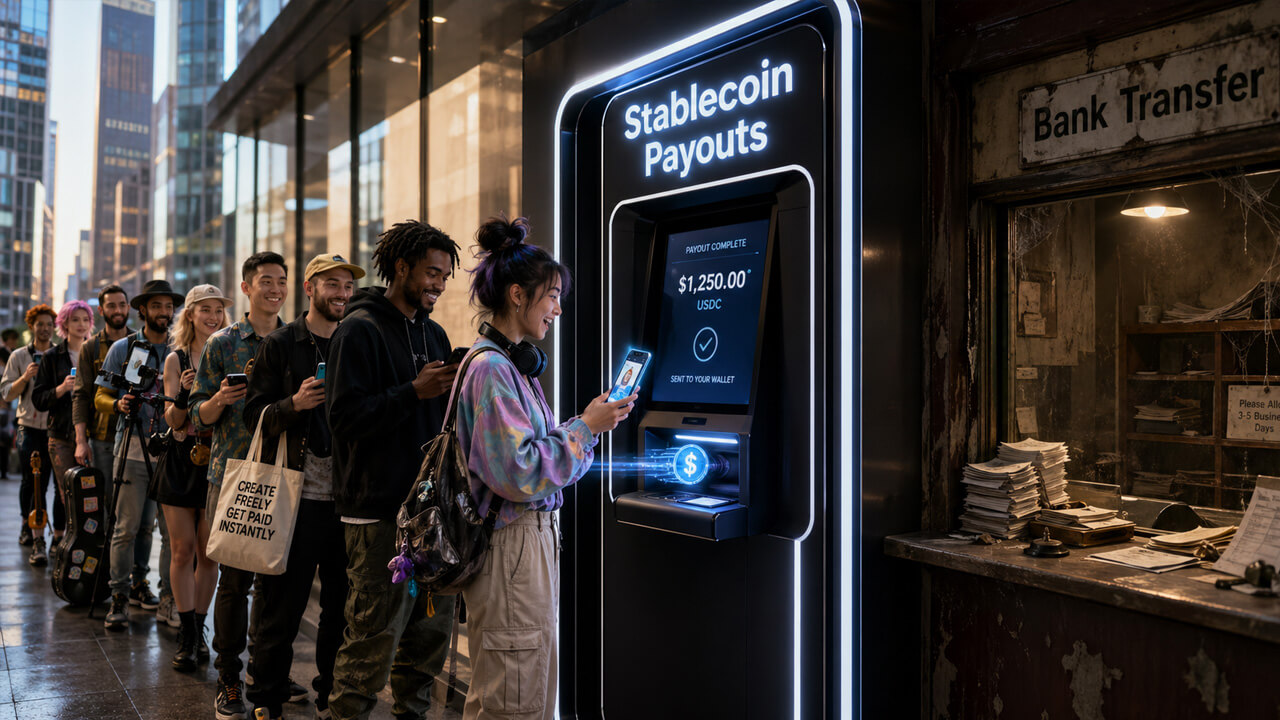
Meta’s pilot is a strategic pivot. In 2019, Libra promised a global currency but died under regulatory pressure. Now Meta is using existing infrastructure: Solana and Polygon networks, with Stripe as a payment processor. The choice of Colombia and the Philippines is deliberate—both markets combine meaningful creator economies with real-world friction in cross-border payouts and demonstrated appetite for dollar-denominated savings. By using USDC, Meta aligns with a regulated stablecoin issuer, reducing regulatory risk and building trust with creators and regulators alike. This pilot could serve as a template for other tech giants exploring stablecoin payments.

The creator economy, per Goldman Sachs, is worth roughly $250 billion in 2023 and could reach $480 billion by 2027. Even a modest 10% penetration means $25 billion annually flowing over stablecoin rails today, and $48 billion by 2027. To put that in context, the BIS reported that payment-related stablecoin flows in 2025 reached about . That means creator payouts could represent between 6.4% and 12.3% of all real-economy stablecoin payments. Furthermore, brand deals account for approximately 70% of creator revenue, highlighting the B2B nature of these payments. Stablecoins offer significant advantages over traditional banking for cross-border B2B transactions, including lower fees, faster settlement, and 24/7 availability. This could drive adoption beyond creator payouts into broader business payments.