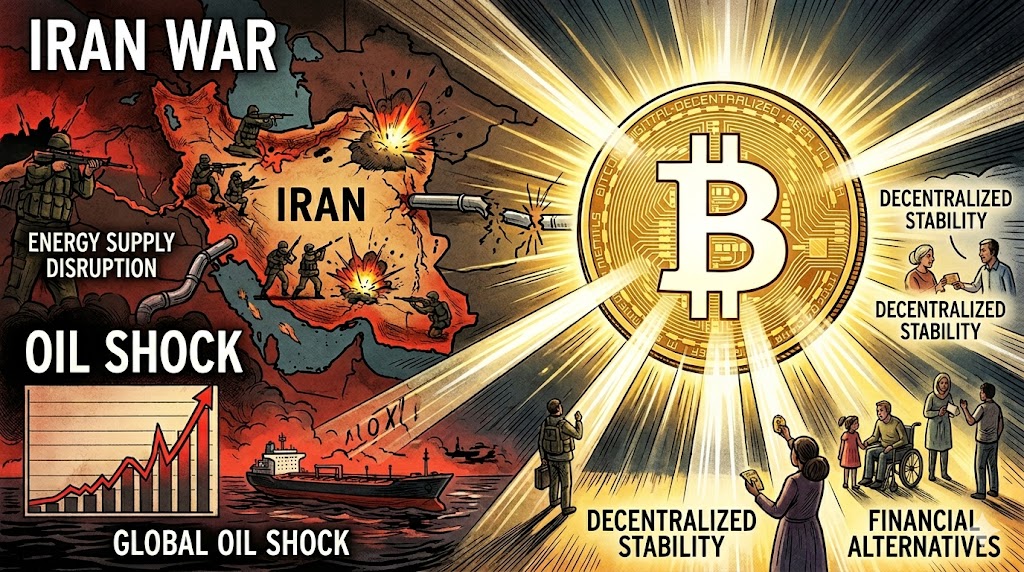
Ship traffic through the Strait of Hormuz collapsed to critical levels, with just seven vessels transiting in 24 hours compared to the approximately 140 that normally navigate this vital artery of global commerce. This dramatic reduction, reported by Reuters on April 9, 2026, represents less than 10% of normal volume and marks the inflection point where digital markets are reacting to the forced visibility of global monetary infrastructure. What began as a geopolitical conflict between the U.S., Israel, and Iran has transformed into a stress test for the entire international financial system, revealing critical dependencies that had remained hidden during decades of relative stability.
The International Energy Agency described the Hormuz disruption as the largest supply shock in the history of the global oil market, an assessment that underestimates its systemic impact. The strait not only carries about 25% of maritime oil trade and is involved in approximately 20% of global petroleum liquids consumption, but serves as a critical chokepoint for supply chains connecting Asia, Europe, and Africa. When Iran began imposing conditions on routing, permissions, and possible tolls following the February 28 strikes, it didn't just restrict the physical flow of goods—it activated what monetary strategists call "the financial contingency switch": pressure on the payment mechanisms that facilitate that trade.

What this conflict has made visible is something markets had taken for granted for generations: the invisible monetary infrastructure underpinning every cross-border transaction. Reuters reported on April 9 that ship traffic through Hormuz was running at well below 10% of normal volumes, with just seven ships crossing in the prior 24 hours against roughly 140 normally. This figure isn't just a logistics statistic; it represents the materialization of settlement risk in real time. Iran's posture around routing, permissions, and possible tolls made clear that access has become conditional, and once trade access becomes conditional in the physical corridor, the other lever that inevitably gets pulled is the monetary one. The correspondent banks that normally facilitate payments between oil buyers and sellers now face impossible regulatory dilemmas: comply with OFAC sanctions or maintain essential trade flow.