Bitcoin Plunge to $62K: Saylor Calls It Capital Rotation to AI — What
Bitcoin drops 7% in 24h, erasing $600B in market cap. Saylor sells 32 BTC for first time since 2022. In-depth on-chain analysis, market impact, and strategies t
"This is a capital rotation, not a Bitcoin impairment. Volatility creates opportunity."
Bitcoin slid below $62,000 overnight, hitting $61,400 before trimming losses to $62,400 in premarket trading Thursday. The 7% drop in 24 hou...
Strategy Executive Chairman Michael Saylor took to X on Thursday morning to frame the selloff as a capital rotation. "Capital markets are fu...
Bitcoin slid below $62,000 overnight, hitting $61,400 before trimming losses to $62,400 in premarket trading Thursday. The 7% drop in 24 hours and more than 14% over the past week erased over $600 billion in total crypto market value, pushing bitcoin 22.7% below its four-week high. This sharp move has reignited the debate on whether bitcoin is losing its appeal as a store of value amid the artificial intelligence (AI) boom.
The Signal from Saylor
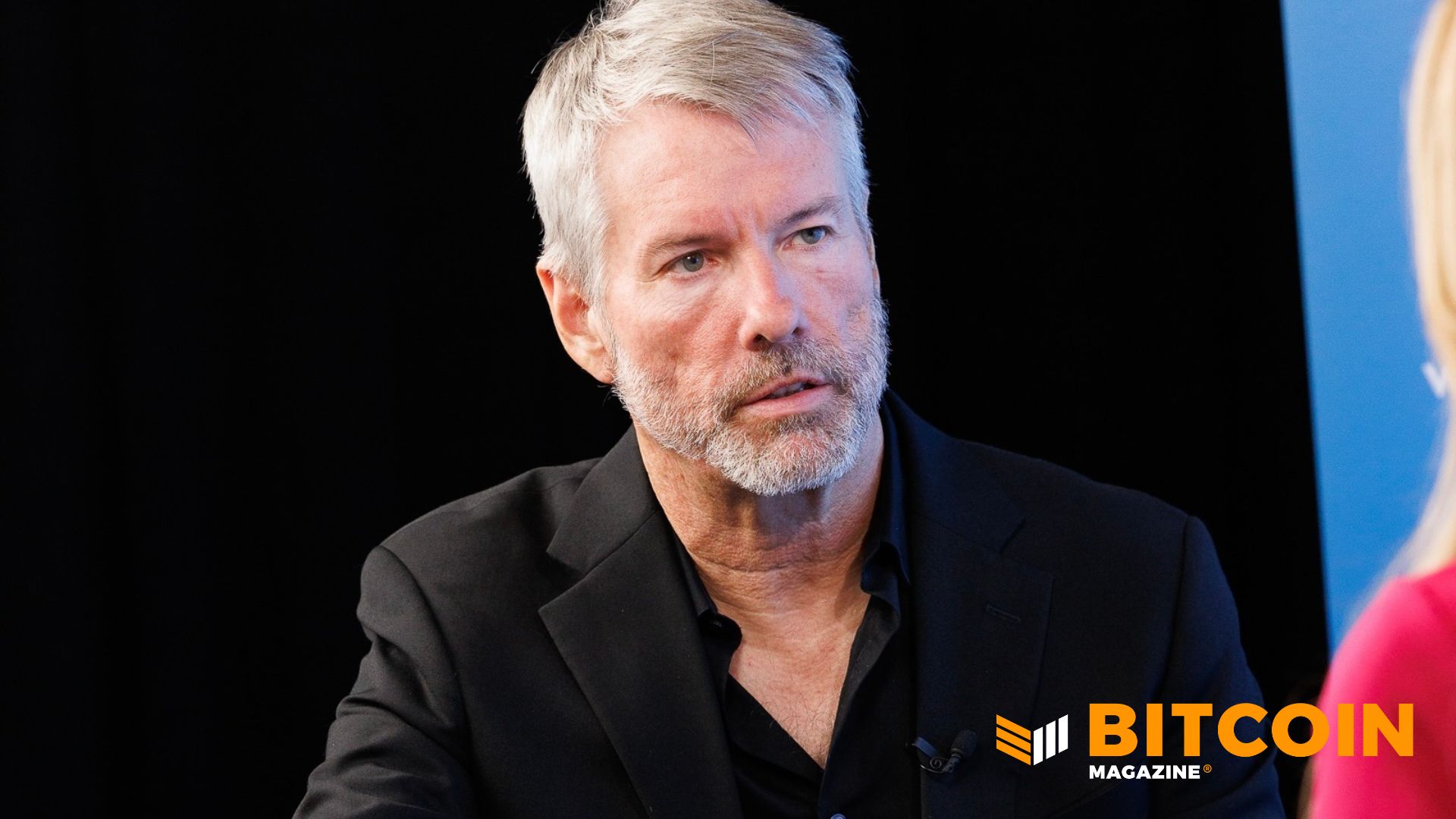
Strategy Executive Chairman Michael Saylor took to X on Thursday morning to frame the selloff as a capital rotation. "Capital markets are funding the AI buildout at historic scale: ~$400B over 6 months," he wrote. "Bitcoin ETFs have seen ~$4B of outflows since May 14, pressuring BTC. This is a capital rotation, not a Bitcoin impairment. Volatility creates opportunity." His remarks aim to reassure investors but also acknowledge a trend many analysts see as a structural threat to bitcoin's price in the near term.
bitcoin trading floor
Saylor's thesis holds that institutions are pulling money from bitcoin and redirecting it into artificial intelligence infrastructure. Wall Street consensus puts combined hyperscaler capital expenditures above $600 billion for 2026 alone, with CreditSights estimating roughly $450 billion flowing into AI hardware, servers, and networking gear. This represents direct competition for institutional capital that previously flowed into bitcoin via ETFs and direct purchases. The key question is whether this rotation is temporary or marks a paradigm shift in asset allocation.
“"This is a capital rotation, not a Bitcoin impairment. Volatility creates opportunity."”
On-Chain Data: Beyond the Headlines
On-Chain Data: Beyond the Headlines
Bitcoin ETF Outflows: ~$4B since May 14, accelerating selling pressure. This negative flow is the longest since January 2024 and coincides with the rollout of new AI products on Wall Street.
Market Cap Destroyed: Over $600 billion in total crypto market value lost in the past week, with altcoins like Ethereum and Solana falling more than 15%.
Strategy's Position: 843,706 BTC, the largest corporate bitcoin holder globally, worth ~$61 billion at current prices. The holding represents approximately 4% of all circulating bitcoin supply.
Strategy's Sale: 32 BTC sold between May 26-31 at an average price of $77,135, raising $2.5 million net for dividends. Though tiny, it breaks a streak of no bitcoin sales since late 2022.
on-chain data dashboard
On-chain analysis reveals that active addresses have fallen 12% in the past week, while the number of large transactions (>$100K) decreased 18%, suggesting large holders are reducing exposure. Additionally, the exchange flow ratio shows an increase in deposits to exchanges, typically a bearish signal. However, bitcoin's hash rate remains near all-time highs, indicating miners are not selling in panic.
Market Impact: Cracks in Saylor's Armor
Strategy's sale of 32 BTC, while a rounding error against its $61 billion position, broke a streak of no bitcoin sales since late 2022. Saylor's identity as an unwavering accumulator had become a market signal. The sale, though small, deepened bearish sentiment and accelerated the price decline, analysts said. The move followed a broader balance-sheet strengthening: two weeks prior, Strategy repurchased $1.5 billion of its 0% convertible notes due 2029 for approximately $1.38 billion in cash—an 8% discount that reduced debt by ~$120 million. Outstanding convertible debt fell from $8.2 billion to $6.7 billion, leaving an $871 million cash reserve. The message: prioritize financial health over bitcoin accumulation.
Market analysts note that Saylor's sale, though small, could have a ripple effect on sentiment. "If the biggest bitcoin advocate sells, even a tiny amount, other institutional investors might interpret it as a sign that the top is near," commented an analyst at CoinShares. However, some view it as prudent treasury management. "Strategy needs cash to pay dividends and reduce debt. It's not a sign that Saylor has lost faith in bitcoin," said a hedge fund manager.
Your Alpha: Strategies to Navigate the Storm
Your Alpha: Strategies to Navigate the Storm
For traders, the situation offers mixed signals. The AI rotation is real, but Saylor's sale introduces a new uncertainty factor. Here are three key points to consider:
1Watch ETF Flows: Outflows of $4B since mid-May are a drag. If they halt, it could be the first sign of stabilization. Pay attention to daily flow data from spot bitcoin ETFs, especially BlackRock's IBIT and Fidelity's FBTC. A week of net inflows could indicate a trend reversal.
2Don't Ignore Saylor's Sale Price: He sold at $77,135, far above current prices of $62,400. That suggests no panic, just liquidity management. But if he sells again, the market will interpret it as bearish. Monitor Strategy's quarterly statements and any announcements of further sales.
3Monitor Convertible Debt: The buyback reduces future dilution risk for MSTR shareholders, which could be positive long-term if bitcoin recovers. However, the debt reduction also means less leverage to buy more bitcoin, limiting the stock's upside potential.
trader analyzing charts
Additionally, consider that the rotation to AI might present a buying opportunity for bitcoin if the narrative shifts. Historically, bitcoin has recovered after similar corrections, such as the 30% drop in May 2021 that preceded a new all-time high. However, the current context is different due to direct competition with AI for institutional capital.
Next Catalyst: What's Coming
The market will watch Strategy's next moves. The company has $871 million in cash and plans to replenish its liquidity buffer through future capital raises. If Saylor announces a new debt or equity offering to buy more bitcoin, it could be a bullish catalyst. Conversely, continued selling for dividends would intensify bearish pressure.
Also key: upcoming U.S. inflation data and the Fed meeting next week. They will determine whether the rotation into risk assets like AI continues or if markets seek refuge in bitcoin. Higher-than-expected inflation could strengthen bitcoin's hedge narrative, while low inflation might favor the AI rotation. Additionally, the U.S. midterm elections could bring regulatory changes favorable or unfavorable to cryptocurrencies.
The Bottom Line
The Bottom Line
Bitcoin is at a defining moment. The 22.7% drop from its four-week high is technical, but the "rotation to AI" narrative has solid fundamentals. However, the crack in Saylor's image as a perpetual accumulator introduces a new variable the market must digest. Volatility, as he says, creates opportunity. But to seize it, selectivity and discipline are paramount. The market is testing bitcoin's store-of-value thesis amid massive AI spending. The answer will come in the coming weeks, and investors must be prepared for both scenarios: a swift recovery or a deeper correction.